
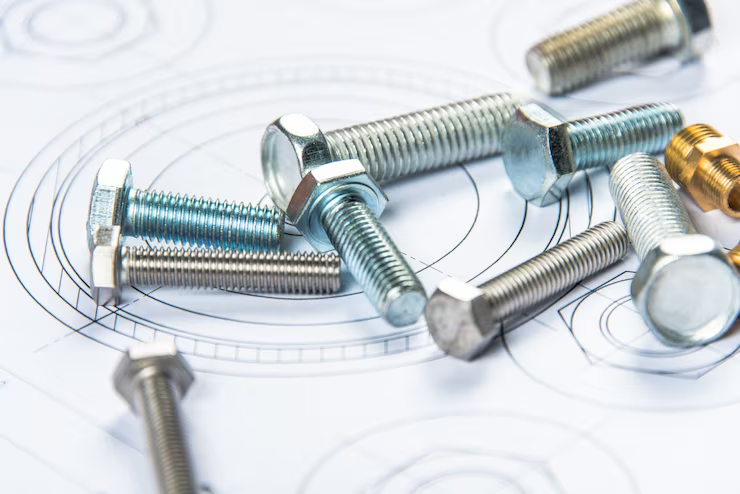
The automotive industry runs on precision made products. Every vehicle rolling off an assembly line depends on thousands of fasteners holding critical components together. When these small parts fail, entire production lines can grind to a halt. Supply chain managers know this fear well.
India has become a key player in automotive fastener manufacturing. The country supplies fasteners to vehicle manufacturers across continents. Automotive fastener manufacturers in India have built their reputation on meeting strict quality standards whilst keeping costs manageable. They serve markets in Europe, North America, and Asia with equal consistency.
Global automotive brands face constant pressure. They need reliable suppliers who can deliver large volumes without compromising on specifications. Automotive fastener manufacturers in India fill this gap by combining technical expertise with scalable production capabilities. Their role extends beyond just making parts.
Why Global Brands Look East
Manufacturing fasteners sounds straightforward until you consider what’s at stake. A single batch of substandard bolts can lead to vehicle recalls costing millions. Automotive companies can’t afford such risks.
Indian manufacturers have adapted to these demands. They invest in quality control systems that match international benchmarks. Many facilities hold certifications like ISO/TS 16949, which is specific to automotive suppliers. This isn’t just paperwork. It represents a commitment to processes that prevent defects before they happen.
The fear of supply disruption keeps procurement teams awake at night. Political instability, trade restrictions, or natural disasters can cut off access to critical components. India’s geographic position and stable manufacturing sector offer a buffer against such risks. Companies diversify their supplier base by including Indian partners.
Meeting Technical Requirements
Automotive fasteners aren’t generic hardware store items. Each application demands specific material properties, thread designs, and surface treatments. Torque specifications vary depending on whether the fastener secures an engine component or an interior panel.
Indian manufacturers work with various grades of steel and alloys. They produce fasteners that can withstand extreme temperatures, vibration, and corrosive environments. This technical capability comes from years of working with demanding clients.
Perhaps the most critical aspect is traceability. Every batch of fasteners needs documentation showing material composition, heat treatment records, and test results. Global supply chains depend on this transparency. If a quality issue arises, manufacturers must trace the problem back to its source quickly.
Thread forming technology has evolved significantly. Self-tapping screws, for instance, create their own threads when driven into materials. This reduces assembly time and eliminates the need for pre-drilling. Indian facilities have mastered these specialised production techniques.
Scaling Production Without Sacrificing Quality
Volume matters in automotive manufacturing. A single car model might require hundreds of different fastener types. Multiply that by thousands of vehicles per month, and the numbers become staggering.
Indian manufacturers have scaled their operations to meet these demands. They run multiple production lines that can switch between different fastener specifications. This flexibility allows them to serve various clients without long lead times.
Quality control happens at multiple stages. Raw materials get tested before entering production. In-process inspections catch deviations early. Final testing ensures that finished fasteners meet all specifications. Some manufacturers use automated sorting systems that reject parts based on dimensional tolerances measured in micrometres.
The challenge lies in maintaining consistency across large production runs. A manufacturer might produce millions of fasteners per month. Even a tiny percentage of defects translates to thousands of problematic parts. This is where process control becomes crucial.
Supporting Just-In-Time Manufacturing
Modern automotive assembly plants operate on tight schedules. They don’t warehouse large inventories of parts. Instead, they rely on suppliers delivering components exactly when needed. This approach, called just-in-time manufacturing, reduces storage costs but demands extreme reliability from suppliers.
Indian fastener manufacturers have adapted their logistics to support this model. They maintain buffer stocks and coordinate shipments to arrive within specific time windows. Missing a delivery slot can halt an entire assembly line.
Corrosion resistance becomes particularly important for fasteners used in automotive applications. Vehicles operate in harsh conditions, from salty coastal air to freezing winters with road salt. Fasteners must maintain their integrity throughout the vehicle’s lifespan. Indian manufacturers apply various coating technologies to protect against corrosion.
The supply chain complexity extends beyond just making and shipping parts. Documentation, customs clearance, and quality certificates must all align. A single missing document can delay a shipment at a port, creating ripple effects throughout the supply chain.
Adapting to Changing Automotive Technologies
Electric vehicles are reshaping the automotive industry. They require different fastening solutions compared to traditional combustion engines. Battery packs, for instance, demand fasteners that can handle thermal expansion whilst maintaining electrical insulation.
Indian manufacturers are investing in research to address these evolving needs. They work with automotive engineers during the design phase to recommend appropriate fastening solutions. This collaborative approach helps prevent problems before production begins.
Weight reduction has become a priority for vehicle manufacturers. Lighter vehicles consume less energy, whether powered by petrol or electricity. This drives demand for fasteners made from lightweight materials like aluminium or titanium. Indian facilities are expanding their capabilities to work with these materials.
The Cost Factor Nobody Talks About
Quality fasteners from India offer cost advantages compared to some other manufacturing regions. This doesn’t mean cheap or inferior products. Rather, it reflects lower labour costs and efficient manufacturing processes.
Global automotive brands operate on thin margins. Every component’s cost matters when multiplied across millions of vehicles. Indian manufacturers provide a pricing structure that helps these brands remain competitive whilst meeting quality requirements.
The economic benefits extend beyond unit prices. Reliable suppliers reduce the hidden costs of quality issues, delayed shipments, and production stoppages. These indirect savings often exceed the direct material costs.
Building Long-Term Partnerships
Supply chain relationships in automotive manufacturing aren’t transactional. Companies seek partners they can rely on for years. Indian manufacturers understand this and invest in building lasting relationships with their clients.
They respond to feedback and continuously improve their processes. When a client identifies a quality concern, Indian suppliers investigate the root cause and implement corrective actions. This responsiveness builds trust over time.
Technical support is another aspect of these partnerships. Indian manufacturers employ engineers who can answer questions about fastener selection, installation methods, and troubleshooting. This expertise adds value beyond just supplying parts.
India’s role in global automotive fastener supply chains continues to grow. Manufacturers in the country have proven they can meet the demanding requirements of international automotive brands. They combine technical capability, production scale, and cost competitiveness.
The industry faces ongoing challenges. Technology changes, quality standards tighten, and competition increases. Indian manufacturers adapt by investing in equipment, training, and quality systems.
Disclaimer
The information provided in this article is for general informational and educational purposes only. While we have made every effort to ensure the accuracy and reliability of the content, the article does not constitute professional advice, and we make no warranties or guarantees regarding the completeness, accuracy, or applicability of the information. Readers should verify facts independently and consult relevant experts or official sources before making decisions related to automotive fasteners, supply chains, or business operations. The views and opinions expressed in this article are those of the author and do not necessarily reflect the official position of any company, organization, or manufacturer mentioned.
 John
John