
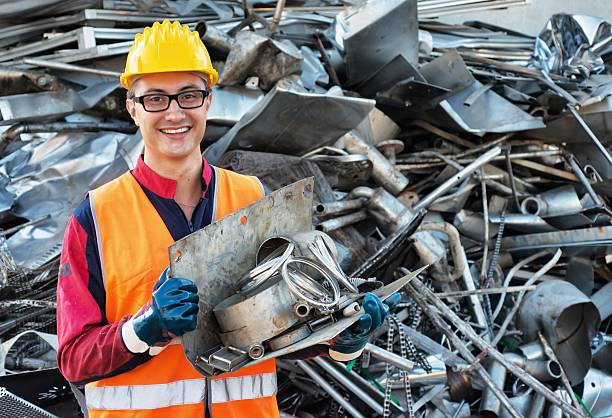
Industrial sites generate metal waste on a daily basis. Old equipment, offcuts from fabrication, damaged components, and construction debris pile up fast. Without a proper system, these materials create hazards, tie up working capital, and complicate audits. Commercial operators need reliable collection partners who understand regulatory requirements.
Professional scrap metal collection transforms waste management from a liability into a revenue stream for construction and manufacturing facilities. Large-scale operations require partners who handle bulk materials efficiently, provide proper paperwork for compliance tracking, and offer competitive pricing based on current market rates. Small residential pickups don’t fit this model because the logistics make them uneconomical.
The right collection partner doesn’t just haul materials away. They provide weight tickets, material classifications, and payment records that satisfy auditors and environmental regulators. These services matter when your business faces inspections or needs to demonstrate responsible waste handling practices.
Regulatory Compliance and Documentation Standards
Environmental Reporting Requirements: Commercial sites must track waste streams accurately for environmental permits and local authority compliance. Collection partners provide detailed records showing what materials left your site, when they were collected, and where they went for processing. This documentation protects your business during audits and demonstrates adherence to waste management regulations that govern industrial operations.
Chain of Custody Tracking: Professional collectors maintain clear records from pickup through processing. You receive weight tickets, material classifications, and payment documentation that create an auditable trail. This transparency matters when environmental officers request proof of responsible disposal or when your accounting team needs to reconcile scrap revenue.
Audit Readiness and Legal Protection: Proper documentation shields businesses from liability if collected materials end up mishandled downstream. Your records show you used a legitimate collector who provided proper paperwork. This protection becomes critical if regulatory bodies investigate illegal dumping or improper processing linked to materials that originated at your site.
Cash Flow Benefits and Revenue Generation
Converting Waste to Working Capital: Scrap metal sitting in your yard represents frozen capital that could fund other operations. Regular collections turn dormant inventory into cash that pays for supplies, labour, or equipment upgrades. Construction sites particularly benefit because project timelines create natural collection intervals that align with material accumulation rates.
Market-Based Pricing Structures: Reputable collectors pay current market rates for scrap ferrous and non-ferrous materials. Prices fluctuate based on global demand, but transparent partners explain rate changes and provide pricing schedules. This clarity lets you forecast scrap revenue more accurately when planning project budgets.
Bulk Collection Economics: Large quantities justify collection costs that make small residential pickups impractical. A construction site generating tonnes of structural steel offcuts creates economies of scale that benefit both parties. The collector gets worthwhile loads while your site receives competitive pricing and reliable service.
Site Safety and Operational Efficiency
Hazard Reduction and Workflow Improvement: Metal debris creates trip hazards, sharp edges, and obstacles that slow work crews. Regular collections keep walkways clear and work areas organised. This matters for insurance purposes because documented waste management programs can influence premium rates. Clean sites also project professionalism to clients and inspectors.
Space Optimisation for Active Projects: Every square metre consumed by scrap piles is space unavailable for productive activities. Manufacturing facilities need floor space for production, assembly, and material staging. Construction sites require clear zones for equipment operation and material delivery. Scheduled collections prevent scrap accumulation from constraining these essential activities.
Worker Productivity and Morale: Cluttered sites frustrate workers who must navigate around obstacles to complete tasks. Clean, organised facilities improve efficiency and reduce the time wasted moving or working around debris. This might seem minor, but the cumulative effect over weeks represents substantial labour cost savings.
Environmental Responsibility and Corporate Image
Sustainability Reporting and Stakeholder Expectations: Many businesses must report environmental performance to investors, customers, or regulatory bodies. Documented recycling programs provide concrete evidence of environmental stewardship that strengthens corporate responsibility claims. This matters increasingly as clients and partners evaluate suppliers based on sustainability practices.
Resource Conservation Impact: Recycling metal reduces mining demands and energy consumption compared to primary metal production. While individual sites might view this as an abstract benefit, the collective impact drives real environmental gains. Some industries face pressure to demonstrate circular economy participation, making documented scrap recycling essential.
Community and Industry Reputation: Businesses operating in residential areas or near sensitive sites benefit from visible environmental responsibility. Proper waste management prevents complaints about unsightly scrap piles or improper disposal. This community goodwill provides intangible value that protects operating licenses and relationships with local authorities.
Choosing the Right Collection Partner
Service Reliability and Communication: Industrial operations need collectors who show up as scheduled and communicate clearly about pricing, documentation, and logistics. Missed collections disrupt site operations and create the very problems proper waste management should prevent. Reliable partners understand that your time matters and that last-minute cancellations create real costs.
Equipment and Capacity Matching: Your collection partner should have equipment suited to your materials and volumes. Construction sites generating heavy structural steel need different handling than fabrication shops producing aluminium offcuts. The right partner brings appropriate trucks, containers, and lifting equipment that safely remove your specific materials.
Key selection criteria include:
- Proper licensing and insurance coverage for commercial collection operations.
- Transparent pricing based on current market rates with clear value calculations.
- Comprehensive documentation including weight tickets and material classifications.
- Equipment appropriate for your material types and site access requirements.
- Reliable scheduling that respects your operational timelines and project deadlines.
Conclusion
Commercial operations need waste management partners who understand regulatory requirements, provide proper documentation, and offer reliable service for lifting bulk materials. Professional collection transforms scrap from a disposal problem into a revenue source while maintaining site safety and environmental compliance. Businesses ready to improve their waste management should evaluate collectors based on documentation standards, equipment capabilities, and pricing transparency.
Disclaimer
This article is provided for general informational purposes only and does not constitute legal, financial, environmental, or regulatory advice. Compliance requirements, scrap metal pricing, and waste management regulations may vary by location, industry, and governing authority. Readers are encouraged to consult licensed scrap metal collection providers, environmental regulators, legal counsel, or financial professionals to ensure compliance with applicable laws and to obtain advice tailored to their specific operational needs. The author and publisher assume no responsibility for decisions made based on the information presented in this article.
 John
John