
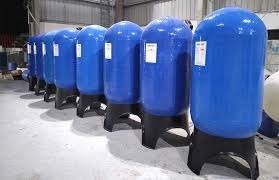
The choice of appropriate pressure vessels in water treatment technology determines both system operating performance and safety levels along with service longevity. FRP vessels stand as preferred choices among pressure vessels over steel alternatives because of their fibrous reinforced plastic construction. FRP vessels provide excellent serviceability due to their ability to resist corrosion yet provide robust durability while maintaining a lightweight format that fulfills requirements of industrial, commercial and municipal water supply systems in the UAE. Reliable supply and technical support needs of industries depend on contracting professional FRP vessels suppliers combined with a trusted water treatment equipment suppliers’ company in UAE or an experienced water treatment company in UAE.
We present the benefits of FRP vessels which open as viable alternatives to steel pressure vessels because they have become the mainstream water treatment option.
What Are FRP Vessels?
Pressure vessels made by combining fiberglass with resin produce FRP vessels as composite materials. Fiberglass supplies structural support while Resin offers environmental protection combined with chemical hardness. FRP materials remain corrosion-proof because they stand above steel’s susceptibility to rust for water quality applications needing dependable chemical resistance together with long-lasting system reliability.
Corrosion Resistant
FRP vessels provide superior corrosion resistance because they meet and exceed the corrosion resistance levels found in steel vessels. Although steel vessels are coated or lined, they will eventually undergo chemical degradation together with rust formation. Solid FRP vessels resist chlorinated water corrosion as well as acidic water corrosion completely. The high salt concentrations that characterize UAE water samples combined with chlorine help make this corrosion resistance essential for the region’s industries. The industries working together with FRP vessels suppliers receive vessels that endure for multiple years with consistent performance and unchanged integrity.
Lightweight Construction
A FRP vessel of given volume produces significantly less weight than the same size steel vessel using the same pressure rating. Plants benefit from reduced costs because of their lightweight design which also enables easier transport and flexible positioning inside water treatment plants. The additional weight of steel vessels causes both installation complexities and installation cost increases through their need for extra structural support. FRP vessels complement professional water treatment equipment suppliers’ companies in the UAE by facilitating optimal system integration through their lightweight characteristics.
Durability and Longevity
FRP vessels resist fatigue and cracking thus delivering exceptional durability. FRP construction maintains unbroken structural integrity while sustaining prolonged pressure along with continuous chemical exposure when compared to steel that often develops rust and deforms. The mechanical strength and corrosion resistance partnership in FRP vessels results in lifespans that typically surpass 15 years. The trusted water treatment company in UAE works with industries to choose the right vessels and then provides maintenance services that prolong vessel operations.
Chemical Resistance
FRP vessels maintain chemical resistance against virtually all types of water treatment chemicals from acids to alkalis and oxidizing agents. Chemical attack exposure causes steel vessels to deteriorate into pitting forms and develop leaks with potential structural failures. FRP vessels demonstrate stable operation under continuous use of aggressive chemicals which positions them perfectly for desalination and wastewater treatment and chemical processing operation.
Design Flexibility
Through their design flexibility FRP vessels enable customization of size and shape and pressure rating to suit customer requirements. FRP vessels adapt conveniently to fit specific processes and compact spaces as well as high-pressure environments all while maintaining full operational performance. Steel vessels cannot achieve this design flexibility due to their fabrication limitations. FRP vessels suppliers operate together with clients to create vessels which match client system requirements exactly.
Thermal Insulation Properties
FRP materials conduct heat better than steel, making these vessels better temperature insulators. Through limiting hot water system heat transfer FRP vessels provide twofold benefits: energy efficiency enhancement and operational cost reduction. Heat conduction founder steel vessels enable energy loss alongside extra system strain. The insulation properties of FRP vessels aid industry operations which seek efficiency and sustainability.
Non-Magnetic and Non-Conductive
FRP vessels show non-magnetic and non-conductive properties that reduce electrical conductivity and minimize magnetic interference thus making them perfect for sensitive environments in chemical manufacturing and electronic manufacturing operations.
Ease of Installation and Maintenance
The low weight and corrosion-resistant makeup of FRP vessels improve installation processes while facilitating maintenance tasks. The installation process demands less support infrastructure, but maintenance remains reduced compared to steel vessels which need repainting inspections and repair from rust damage. The professional water treatment company in UAE can give complete support for vessel installation and maintenance.
Environmental Benefits
FRP vessels qualify as environmentally friendly containers because they can be fully recycled and they use sustainable resin materials in their production. Long-term water treatment operations benefit from FRP vessels because they provide a sustainable solution which beats steel production requirements and reduces waste creation from coating degradation and corrosion.
Industrial Applications for FRP Vessels
Flexibility makes FRP vessels perfect for numerous water treatment processes:
· Filtration Systems: The equipment organizes sand and carbon and multimedia filters as components of water purification.
· Reverse Osmosis Systems: The vessels function as pressure supports for RO membranes treatment of brackish and seawater water.
· Chemical Treatment Systems: These systems utilize FRP vessels for the storage and treatment of water which includes acids and chlorinated compounds.
· Wastewater Treatment: The vessels provide proven solutions to the treatment and management of effluent streams as well as treated water.
Industries throughout the UAE rely heavily on FRP vessels suppliers together with water treatment equipment suppliers’ company in UAE for providing vessels that fulfill national water quality standards as well as international benchmarks.
Long-Term Cost Benefits
FRP vessels demonstrate long-term cost savings even though their initial purchase price exceeds the cost of steel vessels. This vessel type prevents frequent replacements and reduces operational costs and decreases installation fees through its lightweight design. FRP vessels stay cost-efficient more successfully than steel vessels during extended service durations, so they represent an intelligent choice for water treatment systems.
Conclusion
FRP vessels exceed steel pressure vessels through superior corrosion resistance alongside enhanced chemical resistance while maintaining light construction while offering long operational life as well as design adaptability and thermal insulation capabilities and reduced maintenance needs. The unique challenges of UAE water quality and its environmental conditions have led industrial commercial and municipal water treatment systems to select FRP vessels as their preferred solution. Partnerships with trustworthy FRP vessels suppliers water treatment equipment suppliers’ company in UAE and skilled professional water treatment company in UAE guarantee quality vessels which deliver efficient sustainable and durable performance.
Frequently Asked Questions (FAQs)
1. Why are FRP vessels better than steel vessels for water treatment?
FRP vessels provide excellent resistance against corrosion and remain lightweight and durable with chemical resistance for long-lasting industrial water treatment operations.
2. How long can an FRP vessel last?
FRP vessels show potential lifespan ranges between 15 and 25 years based on proper maintenance conditions and water quality.
3. Are FRP vessels suitable for high-pressure applications?
FRP vessels accept design options for multiple pressure ranges which you can customize according to specific industrial applications.
4. Do FRP vessels require more maintenance than steel vessels?
FRP vessels demand fewer maintenance steps compared to steel vessels because of their superior corrosion resistance and chemical resistance capabilities.
5. How do I select a reliable FRP vessel supplier in UAE?
Your selection must include supplier certification together with proven industry experience followed by technical support and vessel integration capabilities. Partnering with a water treatment company in UAE ensures proper installation and long-term performance.
 John
John