
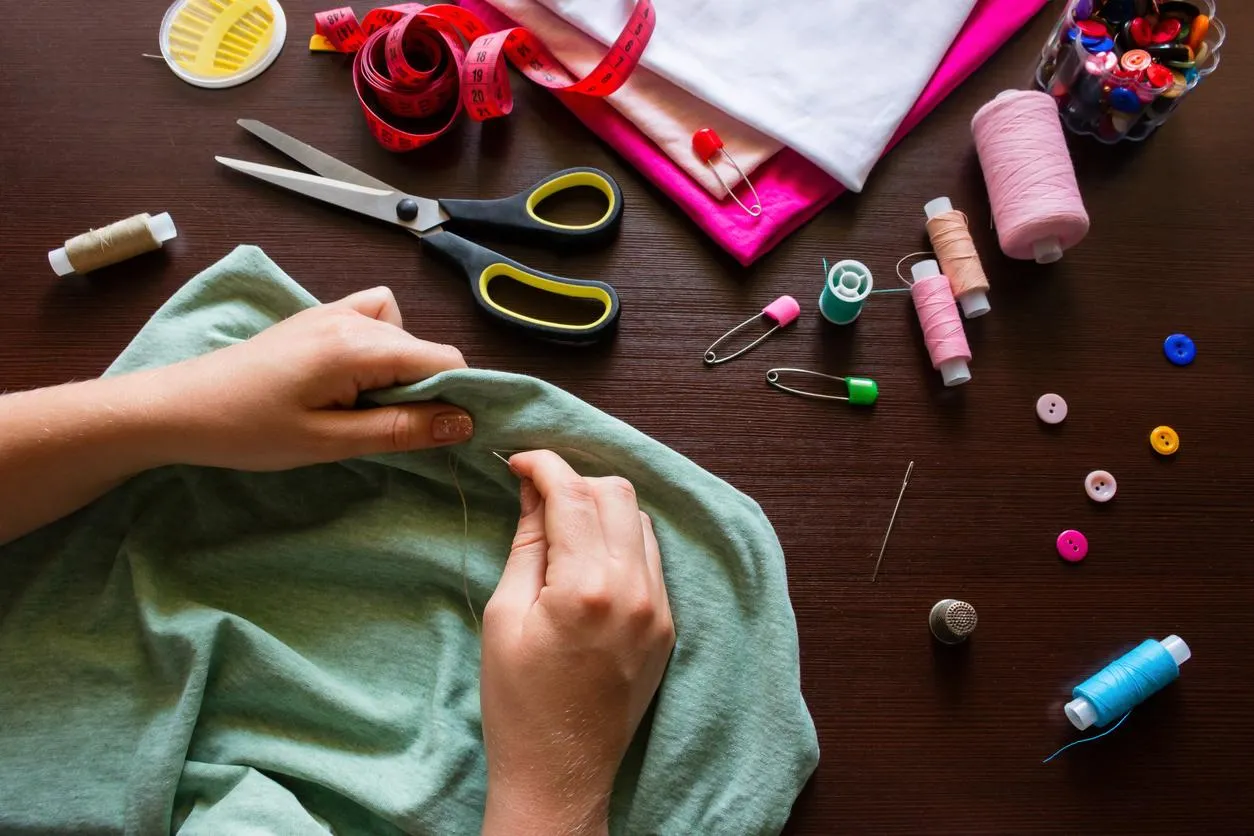
Understanding Nahttypen is essential for anyone interested in sewing, tailoring, or textile manufacturing. A seam is more than just a line of stitching—it determines a garment’s strength, durability, comfort, and aesthetic appeal. Choosing the right one can be the difference between a project that falls apart and one that lasts for years.
Whether you are a beginner sewing your first dress, a professional tailor designing luxury garments, or working in industrial textile production, mastering it ensures that every creation is functional, stylish, and long-lasting.
What is Nahttypen
The term is German for seam types, referring to the various methods used to join fabric pieces. Each seam type serves a specific purpose: some provide strength and durability, some prevent fraying, and others are purely decorative. A seam forms the backbone of a garment, affecting both its structural integrity and overall aesthetic appeal.
Importance in Sewing, Fashion, and Industry
Understanding it is crucial for:
- Durability: Correct seams help garments withstand daily wear and washing.
- Aesthetics: Some seams are decorative, others are hidden for a clean interior finish.
- Comfort: Seam placement and type affect how a garment fits and moves.
- Functionality: Industrial seams may need to be waterproof, heat-resistant, or flexible.
By mastering Nahttypen, sewists, designers, and manufacturers can enhance the quality, functionality, and appearance of their creations.
Historical Context of Nahttypen
Seam techniques have evolved with advances in textile technology. Early hand-stitched garments prioritized function, while modern tailoring incorporates both aesthetics and strength. Key developments in history include:
- Hand-sewn seams: Simple stitches for basic protection and joining.
- Tailoring innovations: Introduced decorative and reinforced seams in fashion.
- Industrial sewing machines: Standardized seam types for mass production.
- Modern textile technology: Enables precise, automated, and technical seams in advanced garments and smart textiles.
Understanding this history provides context for choosing the right Nahttypen in contemporary sewing.
Major Categories of Nahttypen
Basic Seam Types
1. Plain Seam (Einfache Naht / Open Seam)
The plain seam is the most common, consisting of two fabric pieces stitched together along a straight line.
- Uses: Lightweight to medium fabrics like cotton, linen, or chiffon.
- Applications: Shirts, dresses, household textiles.
- Pros: Simple, versatile, easy to sew.
- Cons: Raw edges are exposed, requiring finishing.
2. Closed Seam (Geschlossene Naht)
A closed seam encases raw edges within the seam itself.
- Uses: Unlined garments and fabrics prone to fraying.
- Advantages: Neat, professional interior finish.
Intermediate and Advanced Nahttypen
1. French Seam (Französische Naht)
French seams are elegant involving double stitching: first with wrong sides together, then right sides together.
- Uses: Sheer or delicate fabrics like silk and chiffon.
- Advantages: Hides raw edges, adds durability, and creates a polished interior finish.
2. Flat-Felled Seam (Kappnaht)
Flat-felled seams are strong, double-stitched Nahttypen, commonly seen in denim and workwear.
- Uses: Jeans, jackets, heavy-duty garments.
- Advantages: Extremely durable, prevents fraying, professional finish.
3. Welt Seam (Paspelnaht)
Welt seams are decorative and functional, incorporating piping or fabric strips.
- Uses: Upholstery, formal wear, decorative garments.
- Advantages: Adds strength and visual appeal.
4. Lapped Seam (Aufgesetzte Naht)
Lapped seams involve overlapping fabric edges before stitching.
- Uses: Activewear, casual garments, medium-weight fabrics.
- Advantages: Flat finish, good strength, versatile.
5. Bound Seam (Belegnaht)
Bound seams use fabric or binding strips to encase raw edges.
- Uses: Lingerie, delicate fabrics, formal garments.
- Advantages: Prevents fraying and enhances appearance.
Decorative and Functional Nahttypen
1. Topstitched Seams
Topstitching is both functional and decorative, enhancing it for style and edge strength.
- Uses: Jeans, collars, pockets.
- Advantages: Adds durability and visual appeal.
2. Decorative Seams
Decorative Nahttypen utilize contrasting threads, patterns, or ornamental stitching to enhance garment design.
- Uses: Jackets, skirts, and accessories.
- Advantages: Converts structural seams into design elements.
Industrial and Professional Nahttypen
1. Overlocked/Serger Seams
Overlocked seams combine trimming and finishing in one pass.
- Uses: Mass production, knit fabrics, activewear.
- Advantages: Prevents fraying, adds stretch, and provides a professional finish.
2. Safety Seams
Safety seams combine a plain seam with an overlock finish.
- Uses: Children’s clothing, workwear.
- Advantages: Extra strength and edge protection.
3. Specialized Technical Nahttypen
- Heat-Sealed Seams: Waterproof garments.
- Laser-Bonded Seams: High-performance sportswear.
- Conductive Seams: Smart textiles and wearable electronics.
Factors to Consider When Choosing Nahttypen
Fabric Type
- Lightweight fabrics: Delicate seams like French seams.
- Medium fabrics: Plain, lapped, or bound seams.
- Heavy fabrics: Flat-felled or reinforced seams.
- Knit fabrics: Flexible seams like zigzag or overlock.
Garment Style and Function
- Casual: Visible topstitching or decorative seams.
- Formal: Hidden seams for a polished finish.
- Activewear: Reinforced, stretchy seams.
- Technical garments: Heat-sealed or laser-bonded seams.
Stress Points
- High-tension areas such as crotch, shoulders, or underarms require reinforced Nahttypen like flat-felled seams.
Aesthetic Preferences
- Decide between hidden or visible seams and functional or decorative designs.
Ease of Sewing and Available Equipment
- Hand-sewing, domestic machines, overlockers, or industrial machines influence seam selection.
Common Mistakes in Nahttypen and How to Avoid Them
Wrong Needle Type
- Heavy fabrics need thick needles, delicate fabrics need fine needles.
- Tip: Always test the needle type on scrap fabric.
Ignoring Thread Tension
- Uneven tension leads to puckering or weak seams.
- Tip: Adjust tension based on fabric weight.
Leaving Seams Unfinished
- Exposed edges fray over time.
- Tip: Use overlock, zigzag, binding, or pinking shears.
Skipping Test Stitching
- Can cause mistakes in final projects.
- Tip: Always test seam on scrap fabric.
Modern Innovations and Trends in Nahttypen
Advanced Sewing Machinery
Automated sewing machines produce precise, uniform seams, increasing efficiency and quality.
Sustainable Seam Techniques
Eco-friendly Nahttypen reduce waste and improve garment longevity using recycled threads and eco-conscious fabrics.
Smart Seams
Integration of conductive threads and sensors allows garments to interact with technology.
New Materials and Finishing Techniques
Laser bonding, heat sealing, and technical textiles require specialized seam types to maintain durability and flexibility.
Tips and Best Practices for Perfect Nahttypen
Proper Preparation
- Press fabrics before sewing.
- Maintain consistent seam allowances.
- Use quality thread.
Testing on Scrap Fabric
- Test stitch length, tension, and needle type before starting the main project.
Double Stitching and Reinforcement
- Use for high-stress areas.
Correct Machine Settings
- Adjust stitch length, tension, and presser foot pressure for each fabric.
Applications of Nahttypen Across Sewing and Industry
Home Sewing
- Garments, accessories, home décor.
- Simple seams, like plain or French, are common.
Professional Tailoring
- Bridal wear, custom fashion, luxury garments.
- Seam choice ensures fit, comfort, and style.
Industrial Textile Production
- Workwear, uniforms, activewear, outdoor gear.
- Overlocked and reinforced seams maximize efficiency and durability.
Specialized Applications
- Smart clothing integrating electronics.
- Upholstery, performance fabrics, technical garments.
Conclusion
Nahttypen are more than just ways to join fabric—they define a garment’s durability, aesthetics, comfort, and functionality. Avoiding common mistakes, embracing modern innovations, and following best practices ensures professional, long-lasting results.
Mastering multiple skills empowers sewists to create garments and textiles that are beautiful, functional, and versatile, whether for home use, professional tailoring, industrial production, or smart textile applications. Understanding seam types is the key to successful sewing and garment excellence.
 Sahil Farooq