
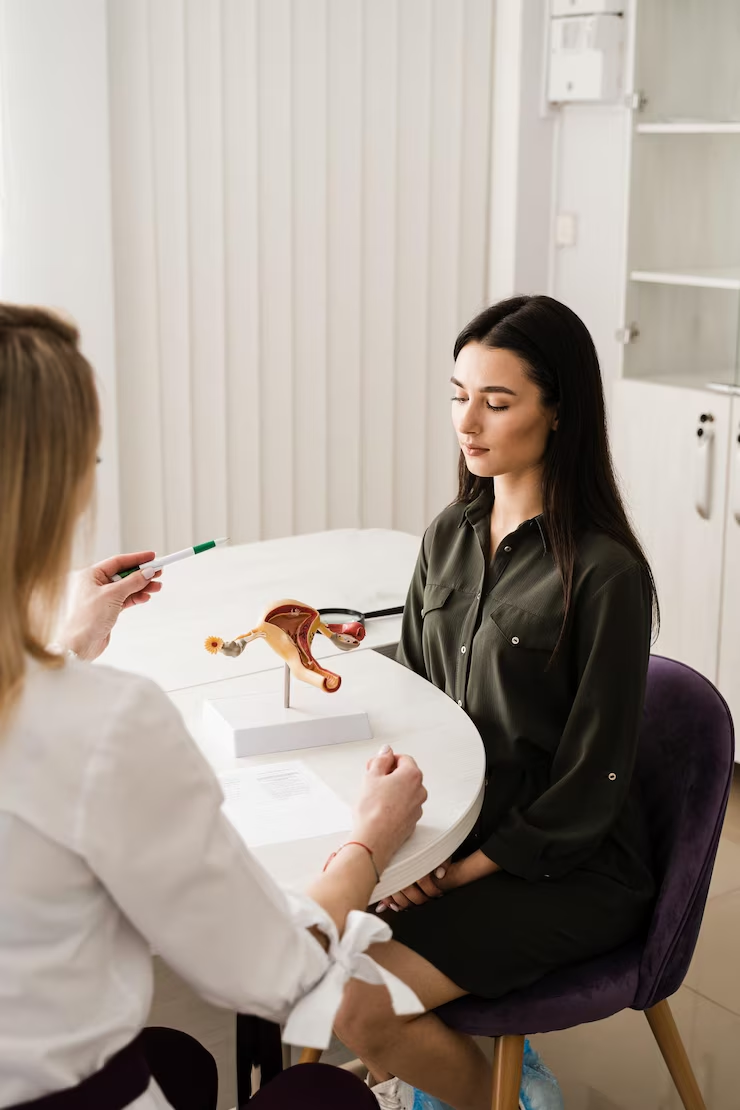
Uterine fibroids are incredibly common, with many women in Sydney experiencing symptoms like heavy menstrual bleeding, pelvic pressure, or fertility challenges. Fortunately, the medical landscape in 2026 offers a broad spectrum of choices, from non-invasive medical management to high-tech radiological procedures and advanced keyhole surgery. Understanding these options is the first step toward reclaiming your quality of life.
Non-Surgical and Medical Management
For many women, the first line of defence against Uterine Fibroids in Sydney is medical therapy. These options do not remove the fibroids but focus on managing the symptoms they cause.
Hormonal and Non-Hormonal Medications
- Oral Contraceptives: Birth control pills or patches can help regulate the menstrual cycle and reduce the volume of heavy bleeding.
- Mirena IUD: This hormonal intrauterine device is frequently used to manage heavy periods. While it does not shrink the fibroids themselves, it can significantly lighten menstruation for many patients.
- GnRH Agonists: These medications (often given via injection) temporarily “turn off” the ovaries, putting the body into a reversible menopausal state. This can shrink fibroids before a planned surgery, though it is rarely used as a long-term solution.
Minimally Invasive Procedures
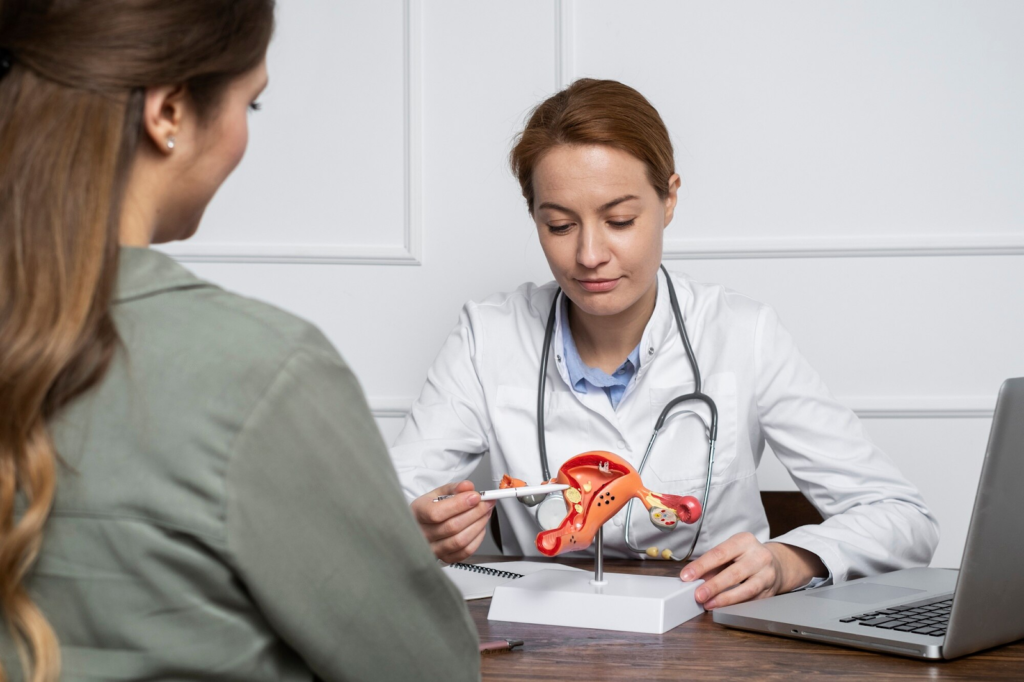
If medication is insufficient, Sydney clinics often recommend uterine artery embolisation (UAE), also known as Uterine Fibroid Embolisation (UFE). This is performed by an interventional radiologist rather than a surgeon. A small catheter is used to inject tiny particles that block the blood supply to the fibroids, causing them to shrink and die while preserving the uterus. It is a popular “walk-in, walk-out” style procedure with a much faster recovery than traditional surgery.
Surgical Solutions for Fibroids
When fibroids are large, numerous, or causing severe symptoms, surgery may be the most effective path. Sydney is home to some of Australia’s leading laparoscopic (keyhole) surgeons who specialise in these procedures.
Myomectomy: Preserving Fertility
A myomectomy involves removing the fibroids while leaving the uterus intact. This is often the preferred choice for women who wish to fall pregnant in the future.
- Hysteroscopic Myomectomy: For fibroids located inside the uterine cavity, they can be removed through the vagina using a small camera, leaving no external scars.
- Laparoscopic Myomectomy: Keyhole surgery used for fibroids on the outside or within the muscle of the uterus.
- Abdominal Myomectomy: Traditional “open” surgery reserved for exceptionally large or complex fibroids.
Hysterectomy: A Definitive Cure
For women who have completed their families and want a permanent solution to fibroid symptoms, a hysterectomy (removal of the uterus) provides a definitive cure. In Sydney, most hysterectomies are now performed laparoscopically, allowing for a shorter hospital stay and a quicker return to normal activities.
Varicocele Treatment in Sydney
While fibroids affect the female reproductive system, men also face vascular issues that require specialist care. A varicocele—an enlargement of the veins within the scrotum—is a common cause of pain and male infertility.
Advanced Management Options
- Varicocele Embolisation: Similar to fibroid embolisation, this is a minimally invasive procedure performed under local anaesthetic. An interventional radiologist uses coils or a specialised foam to block the malfunctioning veins, redirecting blood flow to healthy pathways. It has a high success rate (over 90%) and requires no surgical incisions.
- Surgical Varicocelectomy: A traditional surgical approach where a urologist ties off the affected veins. While effective, it typically involves a slightly longer recovery period compared to embolisation.
Choosing the Right Specialist
Sydney offers world-class facilities for both women’s and men’s vascular and reproductive health. Specialists in areas such as Westmead, Kingswood, and the CBD provide integrated care, often collaborating between gynaecology, urology, and interventional radiology to ensure the best outcomes.
Navigating Costs and Logistics
The cost of treatment in Sydney varies depending on whether you access care through the public or private system.
- Private Costs: For UFE or laparoscopic surgery, out-of-pocket costs can range from $600 to $3,500 for insured patients, while self-funded budgets may reach $8,000+ including hospital fees.
- Medicare Rebates: Most specialist consultations and many procedures (like UFE and Myomectomy) attract Medicare rebates, helping to offset the clinical fees.
Whether you are dealing with the heavy burden of fibroids or seeking varicocele treatment in Sydney, the priority is finding a specialist who offers a tailored approach to your specific needs.
Disclaimer
The information provided in this article is for general informational and educational purposes only and is not intended as medical advice. Treatment options for uterine fibroids, varicocele, or any other medical condition may vary depending on individual circumstances. Always consult a qualified healthcare professional, such as a gynaecologist, urologist, or interventional radiologist, for personalised advice, diagnosis, or treatment. The inclusion of procedures, costs, or locations does not constitute endorsement or guarantee of outcomes. Readers should not rely solely on this article to make medical decisions.
 John
John