
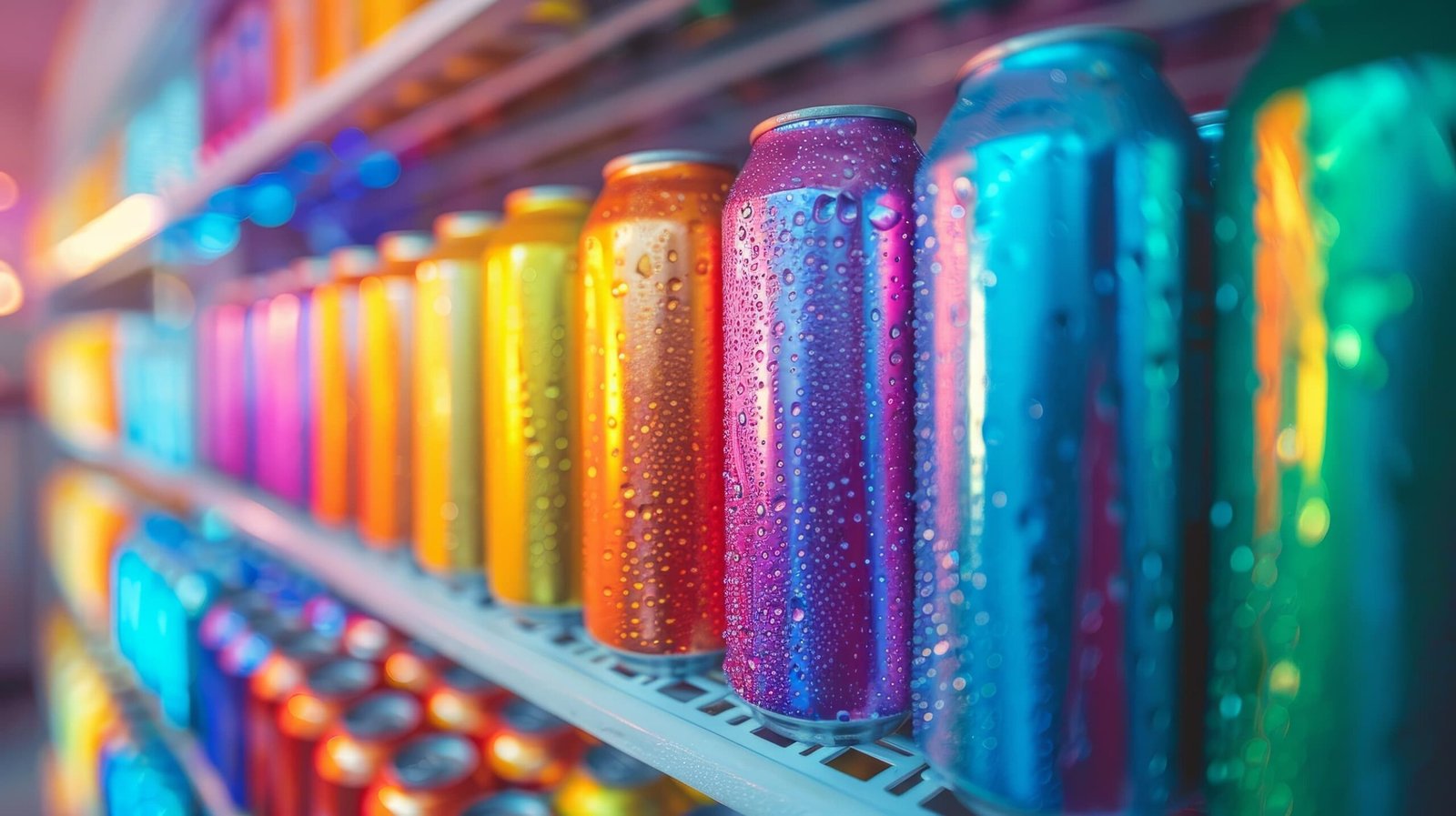
Turning a beverage idea into a finished drink is a fascinating journey that combines creativity, science, and business strategy. In today’s competitive market, aspiring beverage entrepreneurs must navigate various challenges, from concept development to product launch. The beverage industry has transformed significantly over recent years, with consumers becoming increasingly discerning about what they drink. Sustainable, healthy, and innovative beverages are gaining traction, making it essential for developers to understand market demands and trends.
This blog post will provide a step-by-step guide on how to bring your drink idea to fruition, considering both the creative and technical aspects of beverage formulation.
To successfully navigate this journey, partnering with experienced professionals can be invaluable. Companies like ocean blue innovation specialize in beverage formulation and product development, enabling entrepreneurs to streamline the process and reduce potential pitfalls.
From initial brainstorming sessions to fine-tuning the final product, such collaborations can elevate a beverage from a mere concept to a market-ready product. By breaking the development process into manageable steps, we can demystify the complexities involved, emphasizing essential practices that will help ensure your beverage idea becomes a success.
1. Start with Research
Every successful beverage begins with thorough research. Before diving into development, it’s essential to understand the market landscape. What are the current trends? Who are your competitors? What gaps exist in the marketplace? Conduct surveys or focus groups to gain insights into consumer preferences, tastes, and purchasing behavior. Gathering information about your target audience will help shape your product, making it more appealing and relevant.
Utilizing resources such as industry reports and consumer behavior analytics can provide additional layers of understanding. This step also involves analyzing effective marketing strategies used by existing products in your chosen category.
Familiarizing yourself with the competitive landscape not only informs your beverage design but also aids in crafting a unique value proposition. Knowing who your competitors are and what they offer can inspire innovation, helping you differentiate your product when it comes to taste, texture, or health benefits.
2. Concept Development
Once your research is complete, the next step is concept development. This phase involves brainstorming ideas about the type of beverage you want to create—be it a flavored water, energy drink, or a refreshing seltzer. Think about your brand’s mission and what kind of message you want to convey through your beverage. Create a detailed outline of your product, including flavor profiles, ingredients, and nutritional benefits.
In this stage, exploring various formulation methods and packaging options is crucial. Consider how your product will stand out on the shelf not just in taste, but also in appearance. A well-thought-out concept sets the foundation for the entire development process. Engaging with a beverage development partner like ocean blue innovation can lead to valuable insights and creative input, ensuring that you refine your idea into a viable product.
3. Formulation and R&D
Formulating your beverage is where the magic happens. This stage involves collaborating with food scientists and beverage formulators to create a prototype. The formulation should focus not just on flavor but also on functionality. Consider the benefits your product will offer, such as energy-boosting properties or calming effects.
After creating an initial batch, rigorous testing is essential. Conduct taste tests with focus groups and gather feedback on flavor, aroma, and texture. This iterative process allows for refinements, leading to better consumer acceptance. Ensure that the formulation is scalable, meaning it can be produced consistently in larger batches without sacrificing quality. Partnering with experts who understand the intricacies of ingredients and production methods can help navigate this process successfully.
4. Regulatory Compliance
Navigating the regulatory landscape is crucial in beverage development. Ensuring your product complies with local and international regulations can save you from potential legal issues down the line. Research the laws governing beverage ingredients, labeling, and marketing. This step often requires working with compliance experts to ensure all aspects of your beverage, from ingredients to marketing claims, meet health and safety standards.
It’s also important to consider certification opportunities such as USDA Organic, Non-GMO, or Gluten-Free, as these can enhance your product’s credibility and marketability. Being proactive in this aspect of development will streamline the approval process and facilitate a smoother entry into the market. When everything is compliant, you can focus on your marketing strategies and brand positioning.
5. Packaging and Branding
Packaging plays a critical role in how consumers perceive and interact with your beverage. A well-designed package not only protects the product but also conveys your brand message and attracts consumers. Consider size, materials, and design elements that will appeal to your target audience. Eco-friendly packaging options are increasingly popular among consumers, so explore sustainable choices.
Branding should align with your product’s identity, reflecting the values and aspirations you want to communicate. From logo design to color schemes, every element should resonate with your target audience. Collaborating with branding professionals can provide a fresh perspective and creative input, ensuring your beverage stands out on crowded shelves and captures consumer interest effectively.
6. Marketing Strategy
Once your packaging and branding are finalized, it’s time to craft a marketing strategy. Determine the most effective channels to reach your target audience, whether through social media, influencers, traditional advertising, or events. Creating buzz ahead of launch can create excitement and anticipation, setting the stage for successful sales.
Consider promotional tactics, such as sampling initiatives or collaborations with well-known brands or personalities that align with your product’s ethos. Strong storytelling about your beverage its origins, benefits, and unique attributes—will help engage potential customers. This engagement is essential for building brand loyalty and developing a strong customer base.
7. Launching Your Beverage
After completing all previous steps, you’re finally ready to launch. Ensure that you have a solid distribution strategy in place, whether you’re selling directly to consumers or partnering with retailers. The launch phase is critical; monitor sales data, customer feedback, and market trends closely to evaluate your product’s performance.
Be prepared to adapt your strategy as feedback comes in. Continuous improvement based on consumer insights can significantly contribute to your beverage’s long-term success. Additionally, staying engaged with your audience through social media or other channels will help build a loyal customer base and keep them informed about future offerings or promotions.
FAQs
How long does it typically take to develop a new beverage?
The development timeline can vary significantly, usually ranging from 45 to 120 days, depending on the complexity of the product and the number of SKUs involved.
What are the costs associated with beverage development?
Costs can vary broadly based on factors such as formulation complexity, packaging, and marketing strategies. It’s advisable to budget carefully and plan for unexpected expenses.
Do I need a license to sell my beverage?
Yes, depending on your location, you may need various licenses and permits to sell food and beverages. Consulting with legal experts will help you navigate these requirements.
How can I ensure my beverage stands out in a crowded market?
Conduct thorough market research and focus on unique selling points like flavor, functionality, or health benefits, along with effective branding and packaging strategies.
Are there grants or funding options available for beverage startups?
Yes, many organizations and private investors look to support innovative beverage businesses. Investigating grants, loans, or angel investors can provide the necessary capital to kickstart your venture.
Conclusion
Navigating the beverage development process requires dedication, creativity, and a strategic approach. From initial research to final product launch, each step is crucial for transforming your idea into a successful drink. Involving experienced partners like ocean blue innovation can provide invaluable support throughout the journey.
With the right planning and execution, you not only create a delicious beverage but also establish a brand that resonates with consumers. Embrace the challenges and enjoy the process, as every step brings you closer to realizing your vision in the dynamic world of beverage innovation.
 John
John