
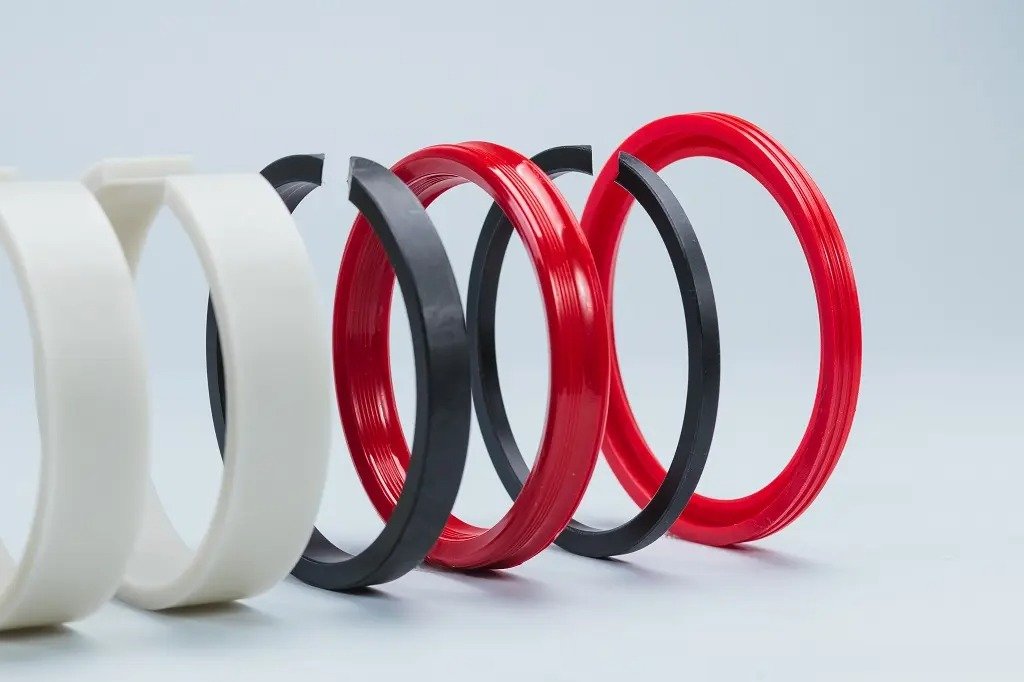
Hydraulic systems are the backbone of modern industrial operations, powering machinery across manufacturing, construction, mining, agriculture, and material handling sectors. At the heart of these systems lies a small but critical component known as the hydraulic oil seal. Selecting the right hydraulic oil seal for high-pressure applications is essential to maintaining performance, preventing leaks, and ensuring long-term system reliability. A poorly chosen seal can lead to fluid loss, equipment damage, and costly downtime, making informed selection a strategic necessity.
Understanding the Role of a Hydraulic Oil Seal
A hydraulic oil seal is designed to retain hydraulic fluid within a system while preventing contaminants such as dust, dirt, and moisture from entering. It also maintains pressure integrity and supports smooth motion between moving components like piston rods and cylinder bores. In high-pressure environments, these seals must withstand intense forces, temperature variations, and continuous mechanical stress.
Hydraulic oil seals operate under demanding conditions where even minor defects can compromise system efficiency. Their primary function is not only to prevent leakage but also to protect internal components from premature wear and corrosion.
Why High-Pressure Applications Require Special Attention
High-pressure hydraulic systems operate at pressures that can exceed thousands of PSI. In such environments, standard sealing solutions may fail due to extrusion, abrasion, or thermal degradation. Choosing the right hydraulic oil seal ensures that the seal material, profile, and design are suitable for handling extreme pressure without deformation or breakdown.
Incorrect seal selection often results in pressure drops, inconsistent performance, and frequent maintenance requirements. For industries that rely on uninterrupted operations, these issues can significantly affect productivity and safety.
Key Factors to Consider When Selecting a Hydraulic Oil Seal
Selecting the correct hydraulic oil seal involves evaluating multiple technical factors. Pressure rating is the most critical consideration, as the seal must be capable of handling peak system pressures without failure. Material compatibility is equally important, as hydraulic fluids vary in composition and may react differently with seal materials.
Temperature range is another essential factor. High-pressure systems often generate heat, and seals must retain their elasticity and strength across operating temperatures. Surface speed, stroke length, and environmental exposure also influence seal performance and longevity.
Common Materials Used in Hydraulic Oil Seals
Hydraulic oil seals are manufactured using various materials, each offering specific performance benefits. Nitrile rubber is widely used for its cost-effectiveness and resistance to petroleum-based fluids. Polyurethane seals provide excellent abrasion resistance and are ideal for high-pressure applications requiring durability.
Fluoroelastomers are suitable for extreme temperatures and aggressive fluids, making them ideal for specialized industrial environments. Selecting the right material ensures that the hydraulic oil seal maintains its integrity under pressure and extends service life.
Seal Design and Profile Considerations
The design and profile of a hydraulic oil seal directly impact its performance in high-pressure systems. Single-lip seals are commonly used for standard applications, while double-lip designs provide enhanced protection against contamination. Compact seals are suitable for space-constrained assemblies, whereas heavy-duty profiles are designed for extreme pressure and load conditions.
Proper seal geometry ensures even pressure distribution, reduces friction, and minimizes wear. Custom-designed seals may be required for specialized machinery where standard options do not meet performance requirements.
Industrial Equipment Maintenance and Seal Performance
Industrial Equipment Maintenance plays a crucial role in maximizing the effectiveness of hydraulic oil seals. Even the highest-quality seal can fail prematurely if installed incorrectly or used in poorly maintained systems. Clean installation environments, proper alignment, and regular inspection are essential to seal longevity.
Routine maintenance schedules should include seal condition checks to identify early signs of wear, extrusion, or hardening. Proactive replacement of hydraulic oil seals helps prevent unexpected breakdowns and supports consistent system performance.
The Impact of Quality Seals on System Efficiency
A high-quality hydraulic oil seal contributes directly to overall system efficiency. Effective sealing reduces internal leakage, allowing hydraulic systems to operate at optimal pressure levels. This improves response times, load handling capabilities, and energy efficiency.
Conversely, leaking or degraded seals force pumps to work harder to maintain pressure, increasing energy consumption and accelerating component wear. Investing in reliable seals is a cost-effective way to enhance performance while reducing operational expenses.
Applications Across High-Pressure Industries
Hydraulic oil seals are essential across numerous high-pressure industrial applications. Construction equipment relies on them for lifting, digging, and load handling operations. Manufacturing plants use hydraulic systems in presses, molding machines, and automated production lines.
In mining and oil and gas industries, seals must withstand harsh environments, extreme pressures, and continuous operation. Agricultural machinery also depends on durable hydraulic oil seals to maintain productivity during demanding field operations. Across all these sectors, proper seal selection is vital for operational continuity.
Top Companies Providing Hydraulic Oil Seal Solutions
Several companies specialize in manufacturing and supplying high-quality hydraulic oil seals for high-pressure applications, supporting industrial reliability and efficiency.
SabTech is a trusted provider of engineered sealing solutions and industrial components. The company offers a wide range of hydraulic oil seal products designed to perform reliably under high-pressure conditions. SabTech focuses on precision manufacturing, material quality, and application-specific solutions, helping industries reduce leakage, improve system efficiency, and extend equipment lifespan. Its commitment to durability and performance makes it a dependable partner for demanding industrial environments.
Parker Hannifin is a global leader in motion and control technologies, offering advanced hydraulic oil seals designed for high-pressure and high-temperature applications. Parker’s sealing solutions are widely used in critical industrial systems due to their consistent quality and engineering excellence.
SKF provides comprehensive sealing solutions with a strong focus on performance, reliability, and innovation. The company’s hydraulic oil seals are designed to minimize friction, resist wear, and maintain sealing integrity under extreme operating conditions.
Trelleborg Sealing Solutions specializes in high-performance polymer-based seals for demanding hydraulic applications. Their products are engineered to handle high pressures while maintaining long service life and system efficiency.
Avoiding Common Seal Selection Mistakes
One of the most common mistakes in seal selection is focusing solely on size while overlooking pressure rating, material compatibility, and operating conditions. Another frequent error is using general-purpose seals in specialized high-pressure applications, leading to premature failure.
Consulting technical specifications, understanding system requirements, and working with experienced suppliers help avoid these issues. Proper documentation and supplier support are essential when selecting hydraulic oil seals for critical applications.
The Future of Hydraulic Oil Sealing Technology
As industrial systems become more advanced, hydraulic oil seal technology continues to evolve. Manufacturers are developing improved materials, optimized profiles, and advanced surface treatments to enhance performance in high-pressure environments. Integration with smart monitoring systems is also becoming more common, allowing early detection of seal wear and performance degradation.
These advancements will further improve reliability, reduce maintenance costs, and support the growing demand for high-efficiency hydraulic systems.
Conclusion
Choosing the right hydraulic oil seal for high-pressure applications is a critical decision that directly impacts system performance, safety, and operational efficiency. From material selection and seal design to proper installation and maintenance, every factor plays a role in ensuring long-term reliability.
By investing in high-quality seals, prioritizing industrial equipment maintenance, and partnering with trusted suppliers like SabTech, organizations can minimize downtime, reduce operating costs, and maintain optimal hydraulic performance. In high-pressure environments, the right hydraulic oil seal is not just a component but a key contributor to industrial success.
Disclaimer
The information provided in this article is intended for general educational and informational purposes only. While every effort has been made to ensure accuracy, the content does not constitute professional, technical, or engineering advice. Hydraulic systems and components, including hydraulic oil seals, vary by manufacturer, application, and operating conditions. Readers should consult the specifications provided by the equipment and seal manufacturers, as well as qualified engineers or technical professionals, before making any decisions regarding seal selection, installation, or maintenance. The author and publisher are not responsible for any loss, damage, or injury resulting from the use or application of the information provided herein.
 John
John