
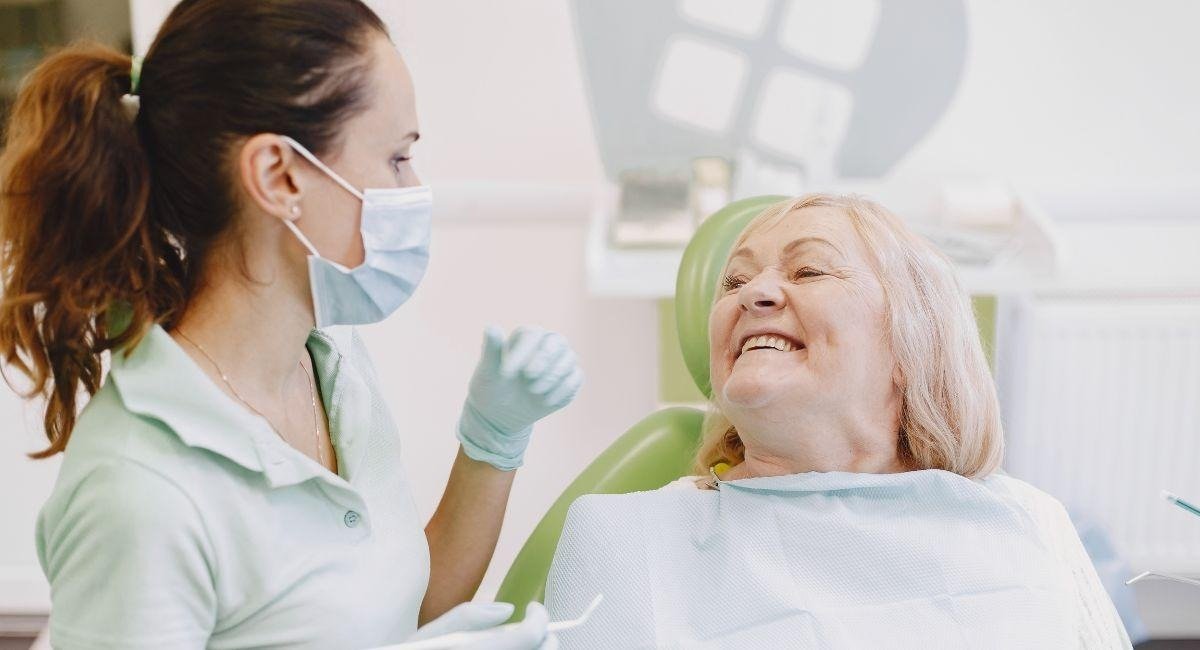
A healthy smile supports daily comfort, speech, nutrition, and confidence. For adults who have lost most or all of their teeth, modern implant dentistry offers advanced options for restoring both appearance and function. One such solution is 3 on 6 dental implants, a full-arch restoration approach that uses six dental implants to support three fixed bridges.
What makes 3 on 6 treatment effective for many patients is the level of customization involved. Dentists do not follow a single template. Instead, each step is carefully planned to match the patient’s anatomy, facial structure, bite pattern, and long-term oral health goals.
Understanding 3 on 6 Dental Implants
In a 3 on 6 dental implant treatment:
- Six implants are placed in the jawbone
- These implants support three separate fixed bridges
- Together, the bridges replace a full arch of missing teeth
The bridges are secured to the implants and remain in place during daily activities. This design allows dentists to distribute chewing forces across multiple implant points, which may help support long-term stability.
Why Customization Is Essential
Every patient has unique:
- Bone density
- Jaw shape
- Gum contours
- Bite alignment
- Facial proportions
Without customization, implant restorations may look artificial or feel uncomfortable. Personalized planning allows dentists to create a result that blends naturally with the patient’s facial features and supports daily function.
Customization also helps reduce the risk of uneven bite pressure, speech difficulty, and long-term discomfort.
Step 1: Comprehensive Patient Evaluation
Oral Health Review
Dentists begin by examining:
- Gum health
- Remaining teeth
- Bone levels
- Signs of infection or inflammation
Healthy gums and stable bone provide important support for implant placement.
Medical History Review
Medical conditions and medications are reviewed because they may affect healing or bone response. This step helps the dentist design a safe and appropriate treatment plan.
Step 2: Digital Imaging and Smile Analysis
Modern dentistry relies on advanced imaging tools such as:
- 3D cone-beam CT scans
- Digital X-rays
- Intraoral scans
These tools allow dentists to evaluate:
- Bone thickness and density
- Nerve pathways
- Sinus locations
- Jaw alignment
Smile analysis examines:
- Lip movement
- Smile width
- Tooth display
- Facial symmetry
These details guide both implant placement and tooth design.
Step 3: Custom Implant Placement Planning
Bone-Based Positioning
Implants are placed where bone can provide strong long-term support. Dentists plan implant positions to distribute biting forces evenly across the jaw.
Angle and Depth Control
Implant angles and depths are carefully selected to:
- Improve stability
- Protect surrounding structures
- Support proper prosthetic alignment
Digital planning software allows dentists to simulate placement before surgery.
Step 4: Bite and Jaw Movement Evaluation
A balanced bite helps protect implants from excess force. Dentists evaluate:
- How the upper and lower jaws meet
- Chewing patterns
- Jaw movement during speech
This analysis helps guide bridge design and implant positioning to support long-term comfort.
Step 5: Designing Natural-Looking Teeth
Tooth Shape
Tooth shapes are selected based on facial features. For example:
- Wider faces may benefit from broader teeth
- Narrow faces may suit slimmer shapes
Tooth Proportions
Proper length and width proportions help the smile appear natural rather than artificial.
Tooth Shade
Dentists select shades along side the patient that complement:
- Skin tone
- Age
- Natural smile characteristics
Overly bright shades are usually avoided to maintain realism.
Surface Texture
Small surface details are added to mimic natural enamel reflection.
Step 6: Guided Implant Surgery
Surgical guides created from digital planning help ensure implants are placed precisely as planned. Guided surgery improves:
- Accuracy
- Safety
- Predictability
This careful placement supports both function and appearance.
Step 7: Temporary Teeth During Healing
Many patients receive temporary prosthetic teeth after implant placement. These allow:
- Basic function
- Continued appearance
- Speech adjustment
Temporary teeth can be modified during healing to improve comfort and fit.
Step 8: Healing and Monitoring
Implants require time to bond with the jawbone through a process called osseointegration. Healing times vary among individuals.
During this phase, dentists monitor:
- Gum healing
- Implant stability
- Bite comfort
- Tissue response
Any necessary adjustments are made early.
Step 9: Final Bridge Placement
Once healing is complete, the final three bridges are secured to the implants. Dentists carefully adjust:
- Fit
- Bite alignment
- Contact points
- Comfort
The final result is designed to feel stable and look natural within the smile.
Step 10: Long-Term Maintenance Planning
Patients receive guidance on:
- Daily cleaning techniques
- Specialized flossing tools
- Professional maintenance schedules
Healthy gums help protect the implants and support long-term success.
How Customization Supports Natural Appearance
Customization ensures that:
- Teeth follow natural smile curves
- Proportions match facial features
- Shades reflect age-appropriate aesthetics
- Speech patterns remain comfortable
Rather than producing a “one-size-fits-all” smile, dentists aim to create results that blend naturally with the patient’s appearance.
How Customization Supports Function
Functional benefits of customization include:
- Balanced bite pressure
- Reduced jaw strain
- Improved chewing comfort
- Stable speaking patterns
These factors contribute to daily comfort and long-term implant health.
Lifestyle and Health Considerations
Dentists also consider:
- Teeth grinding habits
- Smoking history
- Diet
- Overall health conditions
These factors influence both treatment planning and maintenance recommendations.
Follow-Up Care and Adjustments
Even after final placement, follow-up visits remain important. Dentists evaluate:
- Bite changes
- Wear patterns
- Gum health
- Prosthetic condition
Small adjustments can help maintain comfort and stability over time.
The Importance of Experience

Full-arch implant treatment requires advanced planning, technical precision, and long-term care management. An experienced Dentist in Las Vegas who provides implant dentistry understands how anatomy, bite mechanics, and prosthetic design work together.
This experience helps support predictable, natural-looking outcomes.
Setting Realistic Expectations
While 3 on 6 dental implants can restore appearance and function, outcomes vary between individuals. Dentists focus on education, realistic expectations, and personalized planning rather than guaranteed results.
Clear communication helps patients feel confident throughout the process.
Who May Benefit From 3 on 6 Dental Implants
Patients who may be considered include those who:
- Have lost most or all teeth in an arch
- Have sufficient bone for implant support
- Maintain good oral hygiene habits
- Seek fixed, non-removable teeth
Final candidacy is determined only after professional evaluation.
Conclusion
3 on 6 dental implants offer a customized approach to full-arch tooth replacement using six implants and three fixed bridges. Through careful evaluation, digital planning, guided surgery, and personalized tooth design, dentists tailor each step to the patient’s anatomy, facial features, and functional needs.
This customization helps support natural appearance, stable function, and long-term comfort.
By choosing experienced dental care and maintaining regular follow-up visits, patients can enjoy results that blend naturally into their everyday lives and support ongoing oral health.
Disclaimer
This article is intended for general informational purposes only and does not constitute medical or dental advice. Dental implant procedures, including 3 on 6 dental implants, may not be suitable for every individual. Treatment options, outcomes, and timelines vary based on personal health, oral condition, and individual circumstances. A qualified dentist or dental specialist must perform a professional examination to determine candidacy and create an appropriate treatment plan. Always consult a licensed dental professional for diagnosis, treatment, and personalized recommendations.
 John
John