
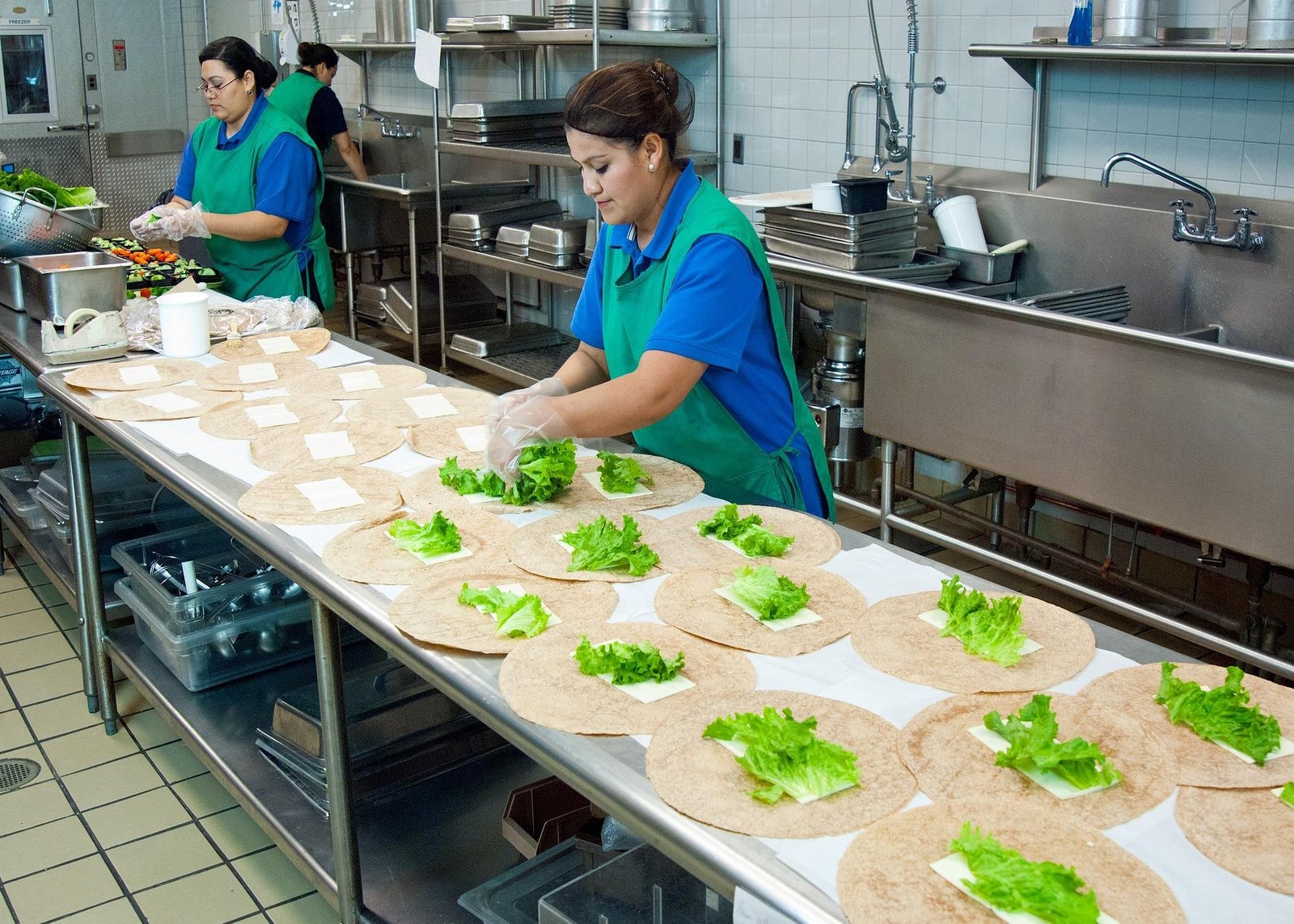
If you’ve ever worked in catering, you’ll know that food hygiene and safety are not just “nice-to-haves”. They’re the backbone of every successful kitchen.
The right training keeps your customers safe, your team confident, and your business on the right side of the law.
But with so many options out there, picking the best Level 2 food hygiene and safety for catering course in the UK can feel overwhelming. I’ve been in your shoes, and I’m here to cut through the clutter.
Quick Answer: What Makes a Great Level 2 Food Hygiene and Safety for Catering Course?
A top-quality course is accredited, up-to-date, recognised by local authorities, and gives you practical, real-world knowledge you can use immediately. Avoid “bargain” courses that skip crucial details as these rarely impress Environmental Health Officers and might leave gaps in your legal compliance.
If you want a course that truly prepares you for the food industry, choose one with clear accreditation, interactive content, and genuine tutor support.
Why Your Choice of Course Matters
Getting the right Level 2 food hygiene and safety for catering training isn’t just about ticking a box for legal compliance. I’ve seen first-hand how a well-designed course builds kitchen culture—staff become more alert to hazards, managers sleep easier at night, and customers notice the difference.
A poor-quality course can put your business and reputation at risk. In the UK, local authorities expect proof of robust training for all food handlers. If your certificate isn’t recognised, you could face extra inspections, fines, or even closure. The right course helps you avoid these scary scenarios, keeps your customers healthy, and protects your business.
What To Look For In a Level 2 Food Hygiene and Safety for Catering Course
Let’s break down what truly matters when choosing a course:
1. Accreditation and Recognition
Look for courses accredited by reputable bodies such as Highfield, City & Guilds, or the Chartered Institute of Environmental Health (CIEH). Accreditation means the course meets national standards and will be recognised by local authorities across the UK.
If a course doesn’t name its accrediting body, walk away.
I recommend double-checking with your local council or trusted sources like the Food Standards Agency. They often list training providers that meet legal requirements.
2. Up-To-Date Content
Food safety guidelines change. Make sure your chosen course covers the latest legislation, food allergens, COVID-19 updates, and practical hazard control. When I did my training, I looked for modules on allergen management and food temperature control—two topics that come up a lot during inspections.
3. Interactive and Practical Learning
The best courses include real-life scenarios, videos, and quizzes to help you remember what you’ve learned. If you find yourself just clicking “next” through endless slides, you probably won’t retain much. Good training should make you think, not just tick boxes.
4. Tutor Support and Customer Service
You may have questions, especially if you’re new to the catering world. Choose a provider that offers accessible tutor support—ideally by phone, email, or live chat. Fast, friendly help can make a world of difference if you get stuck or need clarification.
5. Speed, Flexibility, and Certification
Can you learn at your own pace? Will you get a certificate immediately after passing? In catering, time is money. The best courses allow instant download of your certificate, so you can show proof of training if your local inspector visits.
Don’t settle for courses that delay or charge extra for your certificate.
Red Flags: How to Spot a Poor-Quality Food Hygiene Course
Not all courses are created equal. I’ve seen businesses trip up by picking the cheapest or fastest option, only to find out later it wasn’t accepted by the council. Here’s what to watch out for:
- No mention of accreditation or vague claims about “industry standard” training.
- Courses that promise a certificate without any assessment or exam.
- Outdated content: look for references to current food hygiene laws and allergen regulations.
- No tutor support, refund policy, or contact details.
- Suspiciously low prices: if it looks too good to be true, it probably is.
A proper Level 2 food hygiene and safety for catering certificate should be a badge of trust, not just a piece of paper.
Essential Topics Every Level 2 Food Hygiene and Safety for Catering Course Should Cover
Before you sign up, check that your course includes all the following core subjects:
- Food safety hazards and contamination
- Bacteria and foodborne illness (including time and temperature control)
- Personal hygiene and handwashing
- Cleaning and disinfection
- Pest control
- Safe food storage and stock rotation
- Allergens and food labelling
- Legal responsibilities for food handlers and businesses
A course that skips any of these is cutting corners. For more on what should be included, see the Food Standards Agency guidance on training.
My Experience: What Made the Difference
When I chose my own Level 2 food hygiene and safety for catering course, I shopped around. I found that the right course helped me feel confident in my knowledge and pass every inspection since.
The practical tips and up-to-date examples made a difference on the job. My team learned how to spot risks before they became problems.
Checklist: How To Choose the Right Course
Here’s a quick checklist to help you pick the best food hygiene training for your catering business:
- Is the course accredited and recognised by local authorities?
- Does it cover all current legal requirements, allergens, and practical topics?
- Is the learning interactive, with scenarios or quizzes?
- Is there tutor support if you get stuck?
- Can you get your certificate immediately after passing?
- Does the provider have clear contact details and a refund policy?
- Are there good reviews from real people or businesses?
Use this list every time you consider a new provider. It will save you stress and money in the long run.
Final Thoughts
Choosing the best Level 2 food hygiene and safety for catering course in the UK isn’t just about passing an exam. It’s about protecting your team, your customers, and your business. Take the time to research, ask questions, and invest in a course that delivers quality, not just speed.
The right course will pay for itself many times over in peace of mind, safer kitchens, and happy inspectors.
If you’re ready to take the next step, make sure you visit trusted sites, ask about accreditation, and never settle for less than your business deserves.
Disclaimer
This article is provided for general informational and educational purposes only. While every effort has been made to ensure the information is accurate and up to date at the time of writing, it does not constitute legal, professional, or regulatory advice.
Food hygiene and safety requirements, accreditation standards, and local authority expectations may vary and can change over time. Readers are advised to independently verify course accreditation and suitability with official bodies such as their local council, awarding organisations, or the UK Food Standards Agency before enrolling in any Level 2 Food Hygiene and Safety for Catering course.
The views and experiences shared in this article are personal and illustrative and should not be taken as guarantees of inspection outcomes, legal compliance, or business success. The author and publisher accept no liability for any loss, damage, or consequences arising from reliance on the information contained herein.
 John
John