
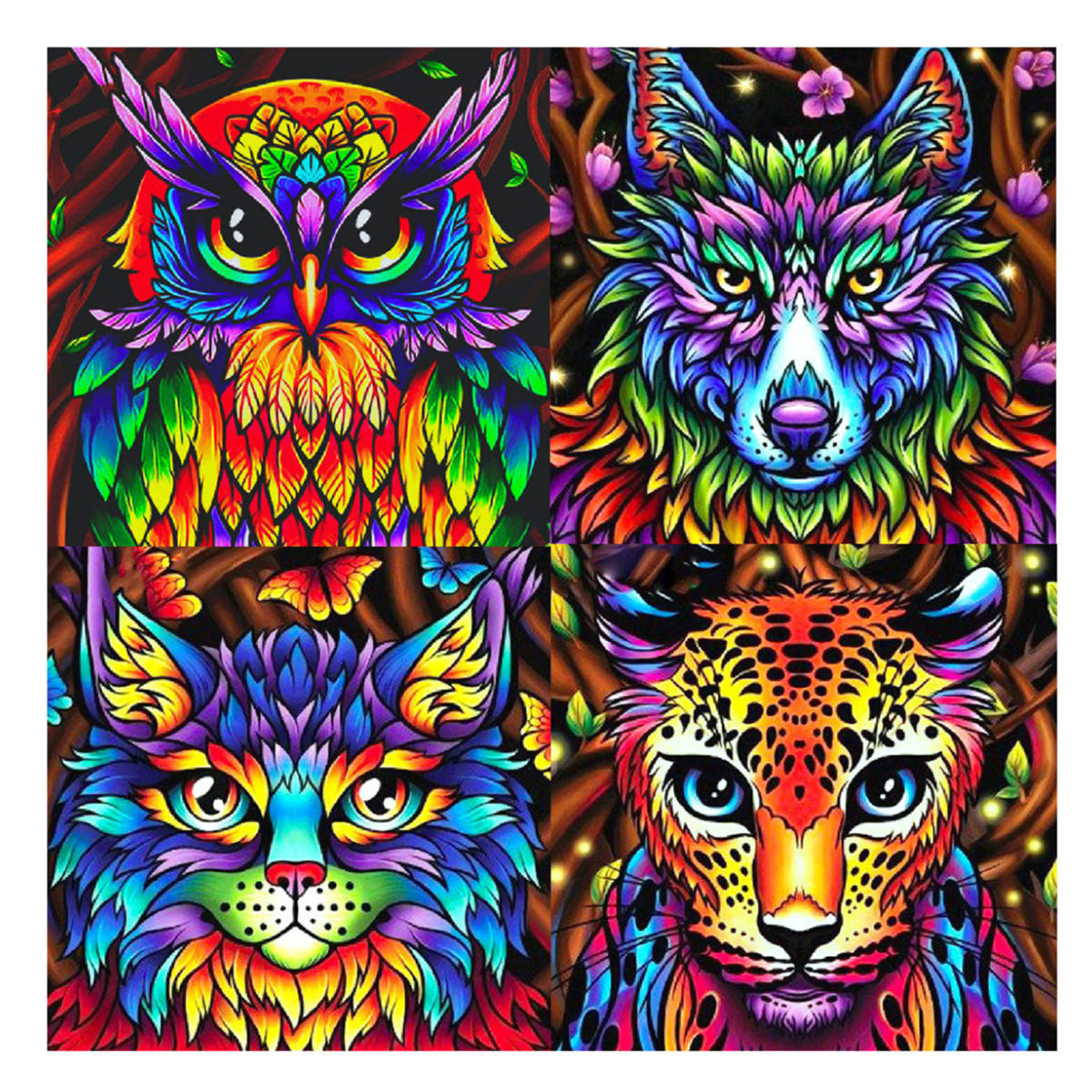
A branded line of diamond paintings is a great business idea, yet the real key to success in this business will be one critical partnership, your manufacturer. There are numerous factories on the market, and only a wise and careful attitude will allow you to find a really trustworthy diamond painting factory with whom you can partner. A dependable partner does not only print canvases and bag drills, he/she becomes part of your team and makes sure that your vision is implemented perfectly.
One bad decision can cause logistical disasters, underwhelming products, and immeasurable harm to your emerging brand. Thus, the most valuable skill you can develop is to know how to vet, select and build a relationship with a factory. This outline will take you through the overall steps to find out and collaborate with a diamond painting factory that is good, responsive and compatible with the quality objectives of your brand.
The Vetting and Selection Process
Carry out Intensive Supplier Research
Start with a list of possible factories obtained through industry trade shows, industry marketplace (B2B) and professional networks. Review their presence online, years in the business and client reviews. A good diamond painting factory will have a professional web site and will be open about what they are capable of doing.
Ask and Carefully Examine Samples
Never skip this step. Sample order your shortlisted diamond painting factory. Pay for them if necessary. Test the sample kits the way a critical customer would: inspect drill sparkle and shape consistency, canvas clarity and tack, tool quality, and packaging. This is the best and only real way of evaluating quality prior to commitment.
Evaluate Communication and Responsiveness
Judge of their credibility on the initial exchange. Are they fast, competent and understandable in communication? Do they know your questions and answer them in detail? Another nightmare during production is a factory that is hard to communicate with prior to selling.
Check Certifications and Business Compliance
Ask about business licensing, quality assurance certification (such as ISO), and adherence to international safety standards in materials (such as non-toxic ink and adhesives). This due diligence helps to reduce risk and assures that you are dealing with a legitimate professional entity.
Forming an Effective Partnership
Start with a Pilot Order
You can order your huge flagship first in a pilot run of one or two designs. This helps you to put the quality of production, logistics and communication of the factory to test on a small scale without putting a lot of capital at stake.
Determine Procedural Quality Control
Collaborate with the factory to establish clear QC requirements. This encompasses acceptable defect levels, packaging and a pre-shipment inspection procedure. Most factories have the option to hire a third-party inspector to examine goods prior to them leaving the factory which gives an additional level of security.
Know How to Negotiate Terms and Protect Your Business
Negotiate prices and payment terms (do not use 100% upfront payments), lead times in production and defective goods or delay policies. To ensure the safety of both sides, use safe methods of payment
Create an Open and Ongoing Communication
Treat the factory to be a partner. Give positive feedback as well as constructive criticism and be willing to hear their professional advice on optimizing materials or design. Developing a good, healthy relationship helps them to make your instructions. Their priority and do the extra mile in times of difficulties.
Conclusion
Developing a collaboration with a trusted diamond painting factory is a research-based, well-communicated, risk-managed process. Through careful vetting of potential partners, starting small, and setting clear quality benchmarks. You are creating the foundation of a long-term relationship that will support your brand to grow. Your right factory partner is more than a supplier. They are the foundation that your brand relies on when it comes to reputation and quality.