
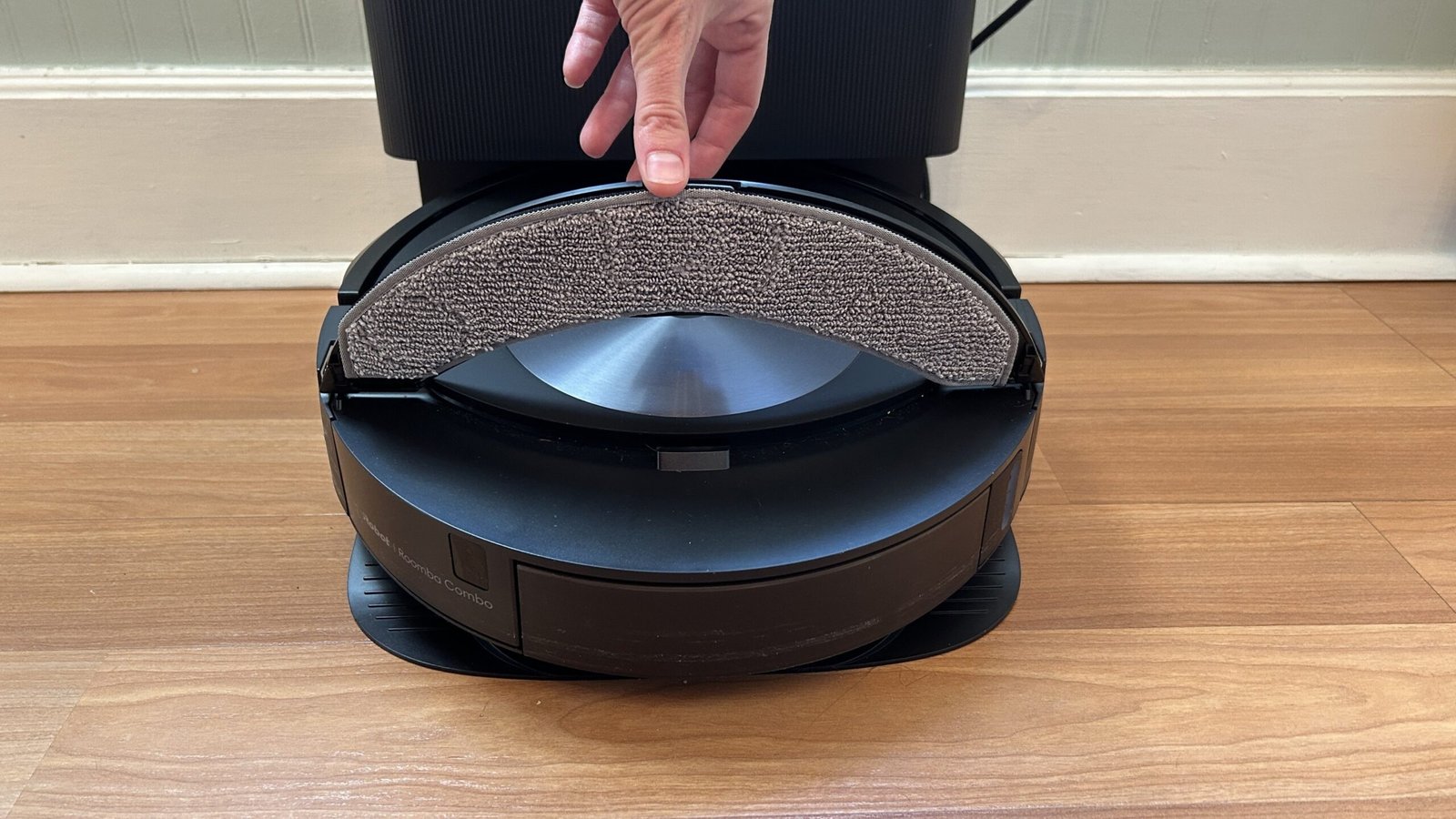
The Role of Mopping Robots in Pet Mess Management
Mopping robots, also known as robotic vacuum mops, offer a convenient way to manage pet-related messes. These devices are designed to autonomously navigate floors, vacuuming and mopping to remove dirt, debris, and stains. They can be scheduled to clean regularly, helping to maintain a tidy home environment, especially beneficial for pet owners.
Mopping robots are equipped with features that address the unique challenges of pet messes.
- Vacuuming: Many models include powerful suction to pick up pet hair, dander, and dry food crumbs from various floor surfaces.
- Mopping: They also feature a mopping function to tackle wet messes, such as muddy paw prints or spills.
- Navigation: Advanced navigation systems allow them to efficiently map and clean rooms, avoiding obstacles and concentrating on high-traffic areas.
- Specialized Cleaning Solutions: Some robots can dispense cleaning solutions designed to neutralize odors and disinfect surfaces, which is particularly useful for pet accidents.
How Mopping Robots Handle Different Types of Pet Messes
Mopping robots can handle a variety of pet-related messes, but their effectiveness depends on the type of mess and the robot’s capabilities.
Pet Hair and Dander
Pet hair and dander can accumulate quickly on floors, furniture, and in the air. Mopping robots with strong suction and specialized brushes are effective at collecting these allergens.
Muddy Paw Prints
Muddy paw prints are a common occurrence, especially during wet weather. Robots with mopping capabilities can remove these prints, provided they are not heavily caked on.
Food and Water Spills
Pet food and water spills can create sticky messes and attract bacteria. Mopping robots can clean these spills, leaving floors sanitized and odor-free. Regularly scheduled cleaning cycles ensures quick spill mitigation.
Pet Accidents
Pet accidents, such as urine or vomit, require immediate and thorough cleaning. While mopping robots can help, they may not be sufficient for all situations.
Factors Affecting a Mopping Robot’s Performance
Several factors influence how well a mopping robot handles pet messes.
Suction Power
The level of suction power determines how efficiently the robot can pick up pet hair, dander, and dry debris. Models with higher suction power are generally more effective.
Brush Design
The type of brush used also impacts performance. Rubber brushes are good for picking up pet hair without tangling, while bristle brushes are better for agitating dirt and debris on carpets.
Mopping System
Different mopping systems have varying degrees of effectiveness. Some robots use disposable pads, while others have washable microfiber cloths. The amount of water dispensed and the scrubbing action also vary.
Navigation and Mapping
Robots with advanced navigation and mapping capabilities can clean systematically and avoid obstacles, ensuring thorough coverage.
Maintenance
Regular cleaning and maintenance are essential for optimal performance. This includes emptying the dustbin, cleaning the brushes, refilling the water tank, and replacing pads or cloths.
Tips for Using Mopping Robots with Pets
To maximize the effectiveness of a mopping robot in a pet-friendly home, consider the following tips:
- Regular Scheduling: Schedule the robot to clean frequently, ideally daily or every other day, to prevent messes from accumulating.
- Pre-Cleaning: Before running the robot, pick up any large debris or objects that could obstruct its path.
- Spot Cleaning: Use the robot’s spot cleaning mode to tackle specific areas where messes occur frequently, such as near food bowls or litter boxes.
- Pet-Safe Cleaning Solutions: When using cleaning solutions, choose those that are specifically formulated to be safe for pets.
- Supervision: Monitor the robot during its initial cleaning cycles to ensure it navigates effectively and avoids any hazards.
- Maintenance: Regularly clean and maintain the robot according to the manufacturer’s instructions to ensure optimal performance.
For those seeking a comprehensive cleaning solution, consider investing in a high-quality robotic vacuum.
In conclusion, mopping robots can be valuable tools for managing pet-related messes and maintaining a clean and healthy home. By understanding their capabilities and limitations, pet owners can effectively utilize these devices to simplify their cleaning routines.
Disclaimer
This article is intended for informational purposes only and does not constitute professional cleaning, veterinary, or health advice. The effectiveness of mopping robots in managing pet-related messes may vary depending on the model, floor type, type of mess, and maintenance practices. While mopping robots can assist with routine cleaning, they may not be suitable for all pet accidents or sanitation needs. Pet owners should always follow manufacturer guidelines, use pet-safe cleaning products, and assess their individual circumstances before relying on robotic cleaning devices. The author and publisher are not responsible for any damage, injury, or health issues resulting from the use or misuse of mopping robots.
 John
John