
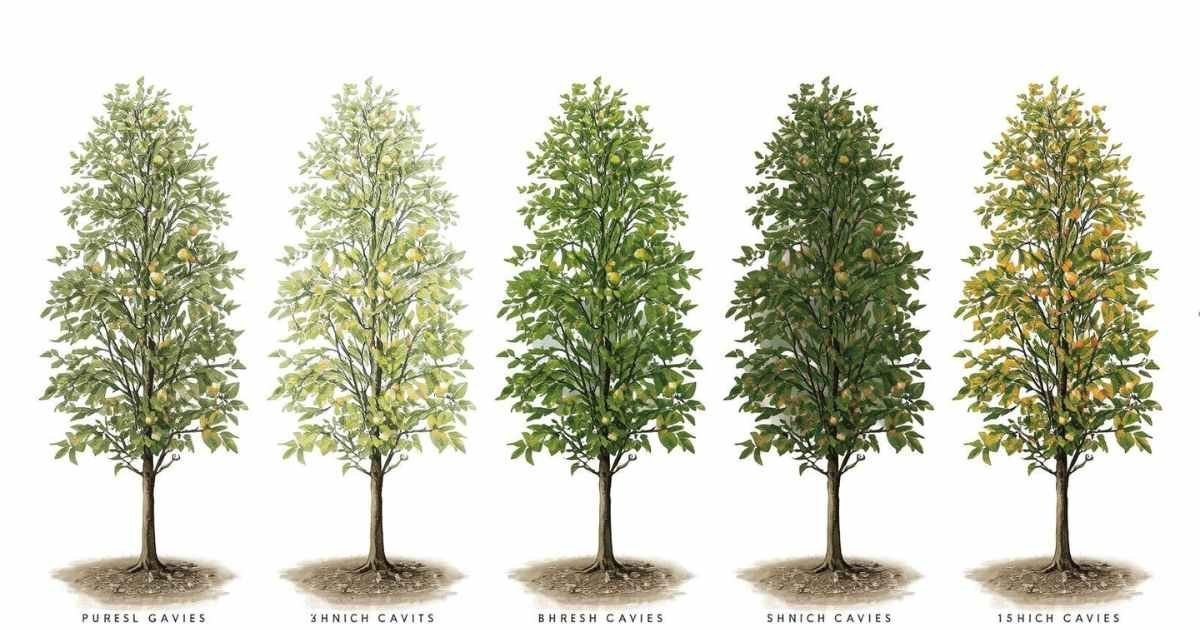
The Navigator Pear (Pyrus calleryana ‘Navigator’) is a standout variety of the Callery Pear species, widely revered for its ornamental beauty and compact form. Whether you have a small urban garden or are seeking a neat, elegant tree for a landscape project, the Navigator Pear offers versatility, low-maintenance care, and stunning visual appeal year-round. From its distinct columnar shape to its remarkable seasonal transformations, this tree is a perfect addition to a variety of settings.
In this comprehensive guide, we’ll dive deep into the Navigator Pear’s growth habits, benefits, care instructions, common challenges, and much more to ensure you’re equipped with everything you need to successfully cultivate this tree in your landscape.
1. Overview of the Navigator Pear Tree’s Unique Characteristics
The Navigator Pear is a highly ornamental cultivar of the Callery Pear. This species is known for its fast growth, hardiness, and adaptability to a wide range of climates, making it an excellent choice for various environments. What sets the Navigator Pear apart is its columnar growth—an upright, narrow shape that provides a clean, organized appearance in any landscape. Unlike other, more spreading pear varieties, this tree grows tall without taking up too much horizontal space, making it ideal for tight, narrow spaces or urban gardens.
- Height and Spread: Typically grows to 20-25 feet tall and 15-20 feet wide, making it perfect for small gardens or urban environments where space is at a premium.
- Shape: The tree’s columnar shape gives it an elegant, tidy appearance, ideal for creating structure without overpowering other elements in the landscape.
- Seasonal Interest: From its snow-white blossoms in the spring to its fiery red and purple foliage in the fall, the Navigator Pear offers year-round visual interest.
2. Why Choose the Navigator Pear Tree? Key Benefits
The Navigator Pear isn’t just another ornamental tree—it brings a host of benefits that make it a must-have for gardeners, landscape designers, and homeowners. Here’s why this pear tree is the perfect choice for any garden:
Compact and Space-Saving Design
With a growth habit that typically reaches 20-25 feet tall but only spreads 15-20 feet wide, the Navigator Pear is the perfect choice for tight spaces. Its columnar shape allows it to fit into narrow planting strips, narrow yard corners, or even between buildings without crowding its surroundings. It also works beautifully along driveways, streets, or as a privacy hedge in urban settings.
Stunning Visual Appeal
One of the primary attractions of the Navigator Pear is its ability to offer year-round visual interest. The tree’s white blooms in the spring provide a breathtaking contrast to the early greenery, while its vibrant red, orange, and purple fall colors brighten any garden. Even in the winter months, the tree’s upright form remains a striking silhouette, providing architectural interest when most other plants are dormant.
Wildlife-Friendly
While the Navigator Pear’s fruit is too small and hard for humans to enjoy, it’s an important food source for local wildlife, including birds. The tree’s blossoms also attract pollinators such as bees and butterflies, supporting a healthy ecosystem.
Low-Maintenance Care
One of the main reasons gardeners love the Navigator Pear is its low-maintenance nature. Once established, this tree doesn’t require frequent pruning or excessive care. It’s resistant to most pests and diseases, and it thrives in a range of soil conditions, making it an ideal choice for novice and experienced gardeners alike.
3. How to Plant and Establish Your Navigator Pear Tree
To ensure that your Navigator Pear thrives for years to come, it’s essential to plant it correctly. Here’s a step-by-step guide to planting your tree:
Step 1: Choose the Right Location
- Sunlight: The Navigator Pear thrives in full sun. It needs at least 6 hours of direct sunlight a day to grow healthy and strong.
- Soil: The tree prefers well-draining soil that is slightly acidic to neutral. It can tolerate various soil types, but heavy, waterlogged soils should be avoided, as they can cause root rot.
- Space: Be mindful of nearby structures. Although this tree is columnar, it’s still essential to provide it with enough space for air circulation. Ensure it is planted at least 5 feet away from buildings, fences, and other trees.
Step 2: Prepare the Planting Hole
- Dig a hole that is twice as wide as the root ball and the same depth. This allows the tree’s roots to spread out freely and establish a strong foundation.
- Place the tree in the hole so that the top of the root ball is level with the surrounding soil. Avoid planting it too deep, as this can lead to root suffocation.
Step 3: Plant the Tree
- Fill the hole with soil, gently tamping it down to eliminate air pockets. Water the area thoroughly to settle the soil and ensure good contact between the roots and the surrounding earth.
- Apply a 2-3 inch layer of mulch around the base, but avoid placing it directly against the trunk to prevent moisture buildup.
4. Essential Care Tips for a Healthy Navigator Pear Tree
Proper care will ensure that your Navigator Pear remains healthy and beautiful throughout its lifespan. Here’s how to care for your tree throughout the year:
Watering
While the Navigator Pear is moderately drought-tolerant once established, it performs best with consistent watering. During the first few years, water deeply at least once a week to promote strong root development. Once established, it can tolerate brief dry spells, but prolonged drought can stunt its growth.
Tip: Water around the tree’s base, not over the foliage, to avoid fungal diseases.
Pruning
Pruning should be done in late winter or early spring, before new growth begins. While the Navigator Pear has a naturally symmetrical shape, light pruning helps maintain its tidy form. Remove any dead, damaged, or diseased branches to promote airflow and prevent pest infestations.
Tip: Avoid pruning during the growing season as it may stress the tree and leave it vulnerable to disease.
Fertilization
The Navigator Pear does not require frequent fertilization. However, if your soil is poor, you may apply a slow-release, balanced fertilizer in the early spring to give the tree a nutrient boost. Avoid high-nitrogen fertilizers, as they can lead to excessive, weak growth.
Mulching and Weed Control
A layer of mulch around the base will help retain moisture, regulate soil temperature, and suppress weeds. Apply a 2-3 inch layer, making sure to keep it a few inches away from the trunk.
5. Troubleshooting Common Problems
Though the Navigator Pear is relatively pest and disease-resistant, several issues may arise. Here’s how to handle common problems:
Fire Blight
This bacterial disease causes blackened leaves and wilting shoots. It can spread quickly if left unchecked, so it’s crucial to:
- Prune affected areas immediately and sterilize your pruning tools between cuts.
- Avoid overhead watering to reduce the spread of bacteria.
- Apply copper-based fungicides to help manage outbreaks.
Leaf Spot and Powdery Mildew
Both of these fungal issues can cause unsightly spots on the leaves. While these issues aren’t usually life-threatening, they can reduce the tree’s aesthetic value. To prevent and control them:
- Apply a fungicide early in the season.
- Prune for better airflow to reduce humidity around the tree.
- Avoid wetting the leaves when watering.
Root Rot
Root rot can occur in poorly-drained soil. To prevent this:
- Make sure your tree is planted in soil that drains well.
- Avoid overwatering, particularly in areas prone to standing water.
6. Frequently Asked Questions (FAQs)
Q1: How fast does the Navigator Pear grow?
Q2: Can I plant the Navigator Pear near other trees?
Q3: Is the fruit of the Navigator Pear edible?
Q4: Can I grow the Navigator Pear in a container?
Q5: How often should I prune my Navigator Pear?
Conclusion: The Navigator Pear, A Smart and Beautiful Landscape Investment
The Navigator Pear is a perfect addition to any landscape, offering both visual appeal and practical benefits. With its low-maintenance care, compact size, and unique seasonal transformations, it adds value to small gardens, streetscapes, and urban settings. By following the planting and care guidelines provided in this guide, you can enjoy the benefits of this stunning tree for years to come.
Whether you’re a seasoned horticulturist or a beginner, the Navigator Pear is an ideal tree for anyone seeking a tree that is as beautiful as it is functional.
 Sahil Farooq