
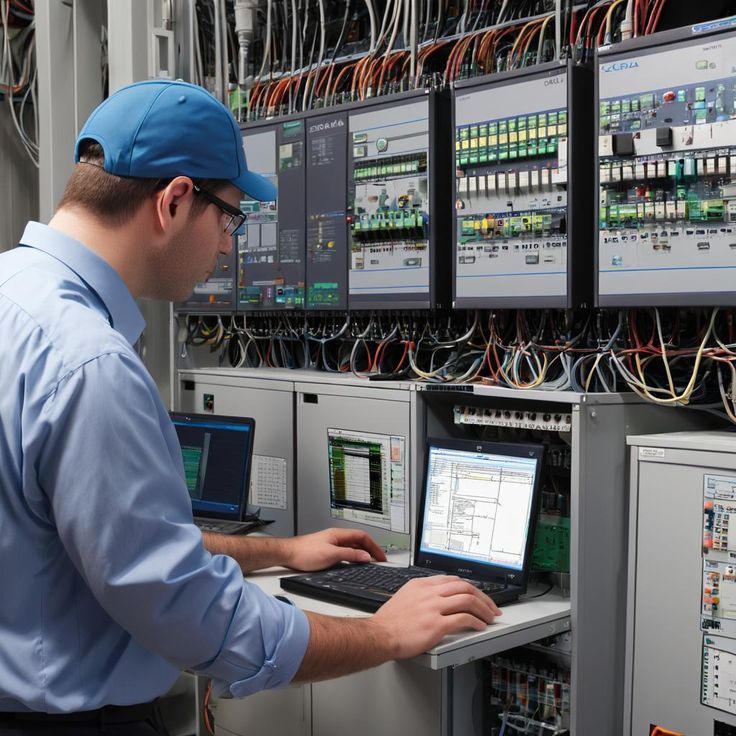
For industries, automation is crucial for smooth operations. Factories and power companies depend a lot on SCADA systems. These are tools use to watch over and manage processes as they happen. However, setting up a SCADA system that fits well with a company’s specific needs is not an easy job. This is where a SCADA integrator is very important. In this post, we will see what does a SCADA integrator do, and why are they important?
What is the Role of a SCADA Integrator?
A SCADA integrator designs, sets up, and maintains SCADA systems that help companies keep track of and manage their industrial work. They start by looking at what the client needs and learning about how they work and what they want to achieve.
The integrator then creates a special system by choosing the right equipment, programs, and ways for them to communicate with each other. After the design is complete, they take care of putting it in place and making sure it works with the current systems.
Also, SCADA integrators give training to staff to help them use the system well and provide ongoing maintenance. Their knowledge makes sure that the SCADA system works smoothly, stays safe, and can grow as the business gets bigger. This involves:
Assessing Needs: The first thing an integrator should do is understand what the client needs. They talk to companies to learn about how they work, what they want to achieve, and what problems they face. A SCADA integrator adjusts the system to meet these special requirements.
Designing and Planning: After understanding what is need. The integrator creates the layout of the SCADA system. This means choosing the right tools, like sensors, controllers, and servers. As well as the right software to collect and show data instantly. They make sure all parts work well together and can be easily improve later.
Setup and Connection: SCADA systems need to be set up carefully. The integrator sets up the tools, the software, and makes sure everything works together. This could mean adding new parts to an old system or creating a whole new system from scratch. Training and Transfer: After the system is set up, the integrator shows the company’s employees how to use and take care of the SCADA system. This helps workers check data easily, manage alerts, and make changes when necessary.
Continuous Help and Maintenance: After the system starts working. A SCADA expert keeps helping the business by doing regular checks, updating software, and fixing security issues. They are also available to help fix problems and make the system bigger as the business expands.
Advantages of Integrating SCADA Systems
Now that we understand what SCADA integrators do, let’s look at the main advantages their work provides to companies:
Better Performance
SCADA systems help businesses see what’s happening right away, so they can spot problems and things that aren’t working well fast. SCADA integrators make sure the system is set up to show important information clearly and make processes easier. This helps people make decisions quickly and reduces delays.
Making Decisions Based on Information
A good SCADA system gives accurate, up-to-date information that helps business leaders make smart choices. SCADA integrators create systems that collect important data and show it in a way that is easy to understand. This method helps businesses use their resources better, plan when to do maintenance, and even guess future trends by looking at past data.
Improved Risk Management
In industries where safety is important, like oil and gas or manufacturing, SCADA systems are very important. They check things like pressure, temperature, and flow rate to make sure everything is safe. A SCADA integrator sets up the system to send alerts or automatically stop operations when things are unsafe, which helps prevent accidents and equipment damage.
Following Industry Rules
These kinds of industries have stricter rules about keeping the environment safe, ensuring quality, and maintaining certain work standards. SCADA systems help businesses follow the rules by keeping a clear record of what they do. SCADA integrators make sure these systems follow the rules, which helps with audits and reporting.
Dealing with Challenges in SCADA Integration
Bringing a SCADA system into an already running operation has some challenges, but a good SCADA expert knows how to tackle them. One big challenge is connecting new SCADA parts with old systems. This often needs special solutions and a good knowledge of both the old and new technologies.
SCADA integrators need to focus on cybersecurity because industrial systems are being attacked more often by hackers. Making sure the SCADA system is safe from dangers while keeping all parts of the system connected is a tricky task. SCADA integrators use their skills to keep the systems running smoothly and reliably.
Conclusion
In industries where being efficient, safe, and managing data quickly are very important, SCADA integrators play a key role. They have the skills to create, set up, and take care of SCADA systems that are specially made for each business’s specific requirements. By working with a good SCADA integrator, companies can work better, make smarter choices, follow rules, and keep their operations safe and secure.
Disclaimer
The information provided in this article is for general informational and educational purposes only. While every effort has been made to ensure accuracy, it does not constitute professional advice or a guarantee of performance. SCADA integration involves complex industrial processes, and the specific needs, regulations, and safety requirements of each organization may vary. Companies should consult qualified SCADA integrators, engineers, or industry professionals before making decisions related to system design, implementation, or maintenance. The author and publisher are not responsible for any errors, omissions, or outcomes resulting from the use of the information in this article.
 John
John