
Event logistics involve the complex coordination of people, equipment, and tight schedules. From large music festivals to corporate conferences, success depends on flawless execution behind the scenes. In this high-pressure environment, manual processes are slow and prone to error. Mobile scanning technology has emerged as a critical tool, transforming how organizers manage key logistical challenges.
This technology offers powerful solutions for equipment tracking, access control, and efficient setup. By leveraging mobile scanning, event staff can enhance accuracy, improve security, and streamline operations from start to finish. It provides the real-time data needed to make informed decisions and ensure a seamless experience for everyone involved.
Revolutionizing Equipment Tracking and Management
Events rely on a vast inventory of valuable assets, including audio systems, lighting rigs, video screens, and staging components. Manually tracking hundreds or thousands of these items is a monumental task. It often leads to misplaced equipment, delays in setup, and significant financial losses. Mobile scanning provides a robust system for asset management.
Real-Time Asset Visibility
By attaching barcodes or RFID tags to each piece of equipment, organizers gain complete control over their inventory. Staff can use handheld scanners to log items as they move from a warehouse, onto trucks, and into the venue. This process creates a digital chain of custody.
This real-time visibility allows managers to know the exact location of any asset at any moment. It prevents equipment from being lost or left behind. The ability to instantly verify inventory levels ensures that all necessary components are on-site and ready for deployment, eliminating guesswork and last-minute panics.
Streamlining Setup and Breakdown
The setup phase of an event is a race against time. Mobile scanning accelerates this process by ensuring accuracy. Crew members can scan items as they are deployed to confirm that the correct equipment is being installed in the right location, according to the event plan.
During breakdown, the same technology simplifies the pack-out process. Staff can quickly perform an inventory check by scanning all equipment as it is loaded back onto trucks. This confirms that all assets are accounted for, significantly reducing the risk of theft or accidental loss and ensuring a swift and orderly conclusion to the event.
Enhancing Security with Mobile Access Control
Managing the flow of people is another major challenge in event logistics. Ensuring that only authorized individuals enter the venue or specific zones is essential for security and revenue protection. Traditional methods like paper lists or visual checks are slow and unreliable. Mobile scanning offers a modern solution for access control.
Rapid and Accurate Entry Verification
For attendees, mobile scanning streamlines the entry process. Barcodes or QR codes on digital or print tickets can be scanne in seconds. This quick verification reduces long queues and improves the guest experience from the very beginning.
The system instantly validates each ticket against a central database, preventing the use of fraudulent or duplicate entries. Real-time data synchronization ensures that once a ticket is scanned. It cannot be use again, effectively eliminating the risk of pass-backs and securing event revenue.
Securing Zones and Managing Personnel
Many events have restricted areas, such as backstage, VIP lounges, or production zones. Mobile scanning is an effective way to manage access to these sensitive locations. Staff, vendors, and artists can be issue badges with unique codes.
Security personnel can use scanners to quickly verify credentials at each checkpoint. This ensures that only authorized individuals can enter restricted zones. It also allows organizers to track the movement of personnel throughout the venue, providing valuable data for security monitoring and operational analysis.
The Technological Backbone of Modern Event Logistics
The effectiveness of mobile scanning in event logistics depends on both the hardware and software that power it. These systems are designed to operate in the demanding and often unpredictable environments of live events. They provide the reliability and functionality needed to keep operations running smoothly.
Key Features of Mobile Scanning Systems
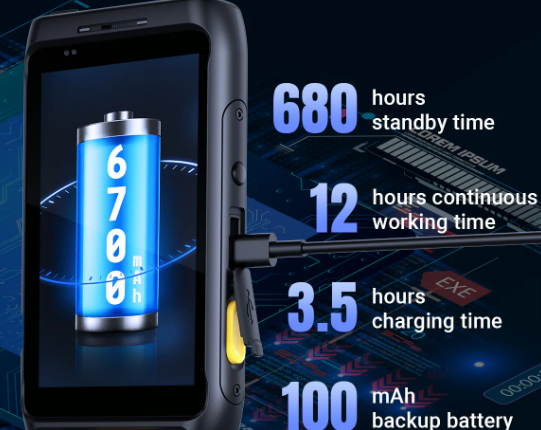
The devices used for event logistics must be durable. They are often built with rugged designs to withstand drops, dust, and water, making them suitable for outdoor festivals or busy convention centers. Long battery life is another critical feature, ensuring devices can last through long operational hours without interruption.
Seamless connectivity via Wi-Fi or cellular networks allows for instant data transmission. This ensures that information in the central system is always up to date. This connectivity is vital for real-time access control and inventory tracking across a large venue. Advanced data processing and complex tasks are often managed using a rugged mobile computer equipped with high-performance scanning capabilities.
Data-Driven Event Management
Beyond the immediate operational benefits, mobile scanning generates a wealth of valuable data. Event organizers can analyze this information to gain insights into their operations and enhance logistics hubs that support event setup, entry management, and equipment flow. For example, data on entry times can help optimize staffing schedules for future events to better manage crowd flow.
Similarly, tracking data for equipment can reveal usage patterns, helping with maintenance schedules and future purchasing decisions. By making data-driven choices, event organizers can continuously refine their processes, improve efficiency, and enhance overall profitability. This analytical approach turns logistical data into a strategic asset.
Disclaimer
The information provided in this article is for general informational purposes only. While every effort has been made to ensure accuracy and relevance, the content does not constitute professional, technical, legal, or operational advice. Event management requirements, technologies, and regulations may vary depending on location, scale, and specific use cases. Readers are encouraged to evaluate mobile scanning solutions independently and consult with qualified professionals or technology providers before implementing any systems discussed in this article. The author and publisher disclaim any liability for losses or damages arising from the use or reliance on the information presented herein.
 John
John