
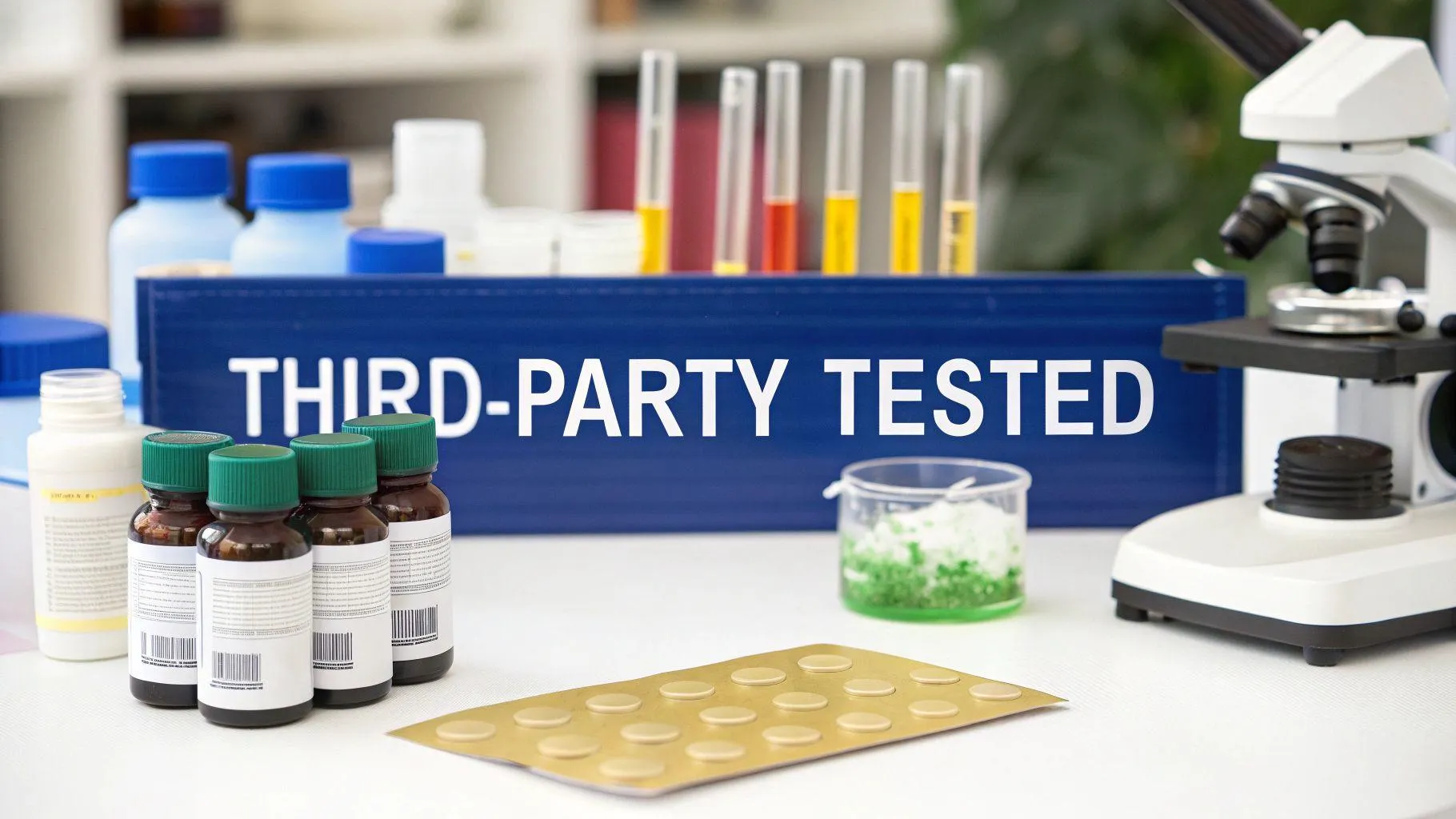
In today’s competitive and highly informed marketplace, product credibility is no longer established solely through branding, pricing, or marketing claims. Consumers expect evidence. They want reassurance that the products they purchase are safe, effective, and accurately represented. Third-party testing and certifications play a critical role in meeting these expectations by offering independent validation that a product meets defined standards. For brands across industries such as beauty, wellness, food, supplements, and consumer goods, these external endorsements have become essential tools for building trust and long-term loyalty.
Consumer Expectations in an Era of Transparency:
“Modern consumers are more educated and cautious than ever before. They research products extensively, compare alternatives, and read reviews before making purchasing decisions. Transparency has become a baseline expectation rather than a differentiator. Consumers want to know not only what a product claims to do, but whether those claims are backed by verifiable evidence. Third-party testing answers this demand by providing documented proof that products perform as advertised and meet established benchmarks”. Says Dr. Ayman Mehanna, Director, Hifec
The Role of Third-Party Testing in Product Safety:
“Product safety is a foundational element of credibility. Third-party testing ensures that products are evaluated for potential risks, contaminants, or defects before reaching the market. Independent laboratories follow standardized protocols to assess safety parameters, reducing the likelihood of oversight or bias. This process protects consumers while also safeguarding brands from costly recalls, reputational damage, or legal consequences. Beyond regulatory compliance, safety testing reflects a brand’s commitment to responsibility. It shows that the company prioritizes consumer well-being over speed to market or cost savings”. Says Takanori Sando, CEO, Harmo
Certifications as Signals of Quality and Standards:
“Certifications function as recognizable symbols of quality that simplify decision-making for consumers. They represent adherence to defined standards set by reputable organizations, often covering areas such as manufacturing practices, ingredient sourcing, sustainability, or performance. These symbols serve as shortcuts for trust, allowing consumers to quickly assess whether a product aligns with their expectations and values. From a brand perspective, certifications provide structure and accountability. Achieving and maintaining certification requires ongoing compliance, documentation, and audits. This discipline encourages consistency and operational excellence. Says Abram Suhardiman, CEO, Healthwaymedical
Regulatory Compliance and Risk Management:
“Third-party testing and certifications are closely tied to regulatory compliance. Many industries operate under complex regulatory frameworks that require proof of safety, efficacy, or quality. Independent testing helps ensure that products meet these requirements before entering the market. This proactive approach reduces the risk of violations, penalties, or forced withdrawals. Beyond compliance, third-party validation supports risk management. Documented testing results and certifications provide evidence of due diligence, which can be critical in the event of disputes or claims. They demonstrate that a brand took reasonable steps to ensure product integrity”. Says Moe Mohamed, CEO, Moe’s Group LLC
Enhancing Brand Reputation and Market Positioning:
“Credibility directly influences brand reputation. Companies that invest in third-party testing and certifications are often perceived as more professional, reliable, and customer-focused. This perception extends beyond consumers to include investors, partners, and industry stakeholders. Independent validation signals maturity and seriousness, which can open doors to new opportunities and collaborations. In competitive markets, credibility can be a decisive factor. Products with verified claims and recognized certifications are more likely to earn shelf space, media attention, and consumer advocacy. They provide tangible proof points that support marketing narratives without relying on exaggerated language”. Says Dr. Carel Aron van der Merwe, CEO, Mediclinic.
Communicating Validation Without Overstatement:
“While third-party testing and certifications are powerful credibility tools, how they are communicated matters. Transparency should be balanced with clarity. Brands must present validation accurately, avoiding overstated claims or misleading interpretations. Misrepresentation can quickly undermine trust and negate the benefits of independent testing. Effective communication focuses on education rather than persuasion. Explaining what a certification represents, what was tested, and why it matters helps consumers make informed decisions. Clear labeling, accessible language, and supporting documentation enhance credibility. When brands treat validation as a shared resource rather than a marketing gimmick, they foster trust and long-term engagement”. Says Nabil Zakaria, Managing Director, TheaddressPharma
Long-Term Value of Independent Verification:
“Third-party testing and certifications are not one-time achievements; they represent ongoing commitments. Maintaining validation requires regular testing, audits, and updates as standards evolve. This continuous process encourages brands to improve products, refine processes, and stay aligned with best practices. Over time, these efforts contribute to resilience and adaptability in changing markets. The long-term value extends to customer relationships. Consumers who trust a brand’s commitment to independent verification are more likely to remain loyal, recommend products to others, and forgive occasional missteps. Trust built through consistent validation becomes a competitive advantage that is difficult to replicate quickly”. Says Manuel La Torre, Founder, Latorre
Conclusion:
Third-party testing and certifications play a vital role in establishing and maintaining product credibility in today’s transparency-driven marketplace. They provide independent validation of safety, quality, and performance while supporting regulatory compliance and risk management. Beyond protecting consumers, these measures strengthen brand reputation, build lasting trust, and support long-term growth. Brands that invest in ongoing verification demonstrate accountability and professionalism, creating confidence among customers, partners, and stakeholders. In competitive markets, independent validation is no longer optional, it is a foundational element of sustainable success.
Disclaimer:
The information provided in this article is for general informational and educational purposes only. While efforts have been made to ensure accuracy, the content does not constitute professional, legal, medical, or regulatory advice. Third-party testing and certifications may vary by industry, jurisdiction, and organization. Readers should independently verify any claims, standards, or procedures and consult relevant professionals or authorities before making decisions based on the information presented. The author and associated entities are not responsible for any outcomes resulting from the use or application of this information.
 Sahil Farooq