
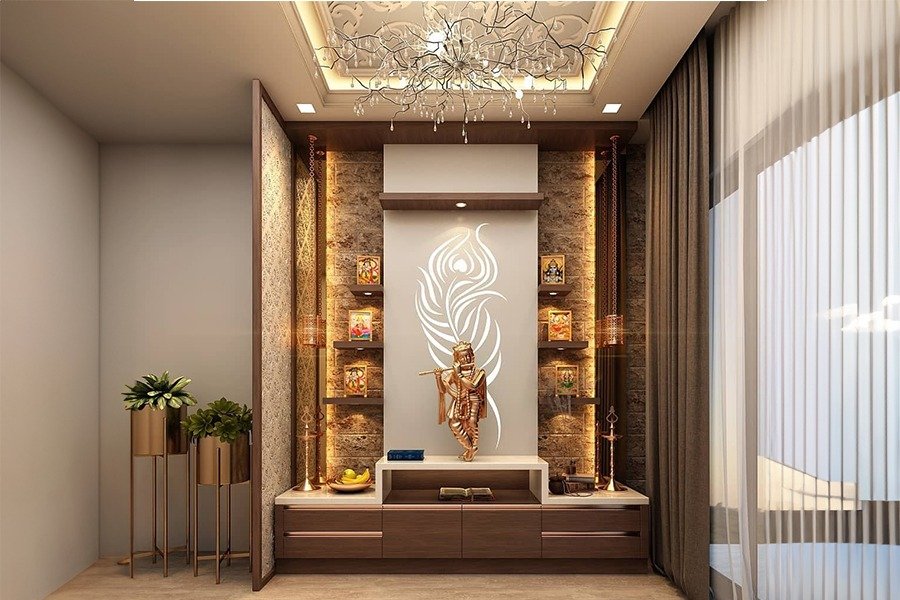
A home is more than just the walls and furniture. It reflects the values, beliefs, and daily rhythms of those who live within it. When a dedicated space for prayer exists, something shifts in the whole house. The atmosphere becomes calmer, more centred, and the entire household seems to benefit from this subtle transformation.
Creating a mandir for home is not just about showcasing a religion or ritual. It becomes a physical reminder to pause, reflect, and reconnect with what truly matters. This space influences the mood of everyone who enters this sanctuary, offering a sense of stability even during chaotic times. The presence of such a sanctuary within domestic walls brings clarity that extends far beyond the prayer room itself.
Why a Dedicated Prayer Space Matters
Many people underestimate how much their environment affects their mental state. A cluttered, disorganised home can leave you feeling scattered and overwhelmed. Conversely, a thoughtfully designed space promotes focus and tranquillity. When you designate an area specifically for spiritual practice, you’re acknowledging the importance of inner peace in daily life.
This isn’t about superstition or blind faith. It’s about creating a zone where distractions fade and you can genuinely be present. The act of stepping into that space signals to your mind that it’s time to let go of external pressures. Over time, this simple habit can reshape how you approach challenges and interact with loved ones.
How Design Influences the Aura of a Space
Spatial Harmony plays a crucial role in how a room feels. Proportions, materials, and placement all contribute to the overall impression. A cramped, poorly lit corner won’t inspire devotion, no matter how many deities you place there. Thoughtful design ensures the space feels inviting rather than obligatory, encouraging regular use instead of occasional visits.
Material Selection and Its Impact: The choice of stone sets the tone for the entire mandir. Vietnam White Marble brings a luminous quality that other materials struggle to match. Its fine grain and consistent colour create a sense of purity and elegance. This marble also reflects light beautifully, making even smaller spaces feel more open and serene.
Proportions and Scale: A mandir that overwhelms a room can feel imposing rather than welcoming. Equally, one that’s too small might not command the respect it deserves. Finding the right balance ensures the space integrates naturally into your home. Proper scale allows the mandir to be a focal point without dominating the entire area.
Lighting and Atmosphere: Natural light enhances the spiritual quality of any prayer space. Soft, diffused illumination creates warmth and encourages contemplation. Harsh overhead lights can make the experience feel clinical and uninspiring. Consider how light moves through space at different times of the day to maximise its calming effect.
The Role of Vastu in Establishing Positive Energy
Vastu Shastra offers guidance on placement and orientation that many find valuable. These principles aren’t arbitrary rules but observations about how direction and alignment affect our sense of well-being. A north or east-facing mandir is believed to invite positive influences and create a more harmonious environment.
Directional Considerations: Placing your mandir in the northeast corner of your home aligns with traditional vastu recommendations. This position is thought to enhance spiritual energy and promote mental clarity. Even if you approach these guidelines with scepticism, there’s something to be said for the intentionality they encourage in design choices.
Height and Elevation: The mandir should sit at an appropriate height, neither too low nor uncomfortably high. This ensures comfort during prayer and maintains the dignity of the space. Elevating the platform slightly creates a visual distinction that reinforces the area’s sacred purpose without making it feel inaccessible.
Craftsmanship That Speaks Without Words
The quality of workmanship in a marble temple reveals itself gradually. You might not notice every detail immediately, but over time, the precision of the carving and the smoothness of the finish become apparent. Poor craftsmanship announces itself through uneven surfaces, rough edges, and inconsistent patterns that distract rather than inspire.
Skilled artisans understand how to bring out the natural beauty of stone without overworking it. Delicate carvings of lotus motifs, peacocks, or geometric patterns add visual interest. These details should enhance the space rather than overwhelm it, creating layers of meaning you discover over repeated viewings.
Materials That Stand the Test of Time
Choosing the right marble determines how your mandir ages. Some stones develop discolouration or lose their lustre within a few years. Vietnam White Marble maintains its appearance remarkably well, resisting the yellowing and dulling that plague lesser materials. This durability means your investment continues to bring beauty and peace for decades.
The variations within Vietnam White Marble offer different aesthetic qualities:
- Swiss White Marble provides subtle veining that adds character without overwhelming the design.
- Super Fine White Vietnam Marble offers almost pure white expanses for a minimalist aesthetic.
- Standard Vietnam White balances consistency with natural stone variations.
Understanding these distinctions helps you select a stone that matches your vision for the space. The right choice creates a foundation that supports rather than competes with the overall design.
The Ripple Effect Through Your Household
When one person in a home establishes a regular prayer practice, it often influences others. Children observe and absorb these habits, learning by example rather than instruction. Even those who don’t actively participate in rituals benefit from the calmer atmosphere that a well-used mandir creates.
This effect extends to guests and visitors as well. People notice when a home has been designed with care and intention. A beautiful mandir signals that the household values more than material comfort. It suggests depth, thoughtfulness, and a connection to something beyond the immediate and temporary.
Conclusion
Establishing a dedicated prayer space transforms more than just one room. It shifts the energy of your entire home, creating a refuge from external pressures and internal turbulence. The materials you choose, the craftsmanship you invest in, and the care you take with placement all contribute to this transformation. Consider working with specialists who understand both the aesthetic and spiritual dimensions of temple design to create a space that serves your family for generations to come.
Disclaimer
The views and perspectives shared in this article are intended for general informational and inspirational purposes only. References to spirituality, energy, Vastu Shastra, and the perceived impact of a mandir within a home are based on traditional beliefs, cultural practices, and personal interpretations. These concepts should not be considered scientific, medical, architectural, or professional advice.
Design choices, material recommendations, and spatial guidelines discussed here may not be suitable for every home or individual circumstance. Readers are encouraged to consult qualified architects, interior designers, vastu consultants, or other relevant professionals before making structural, design, or investment decisions.
 John
John