
You’ve decided to replace a missing tooth with a dental implant, only to learn the entire process takes four to six months or longer. This timeline shocks many patients expecting quick results similar to getting a crown or filling. The frustration intensifies when you see advertisements suggesting same-day implants or hear friends claim their implants were completed in weeks.
The reality is that successful dental implants require biological processes that cannot be rushed without risking failure. While some steps can be accelerated in certain situations. The standard timeline exists for important reasons related to bone integration, healing, and long-term success rates that approach 95% when proper protocols are followed.
Understanding why implant treatment unfolds over months rather than days helps set realistic expectations and appreciate the biological complexity involved. Certain phases, like the dental implant temporary crown placement, serve critical purposes during healing, protecting the implant while allowing you to function normally during the integration period before your final restoration is placed.
The Biological Process of Osseointegration
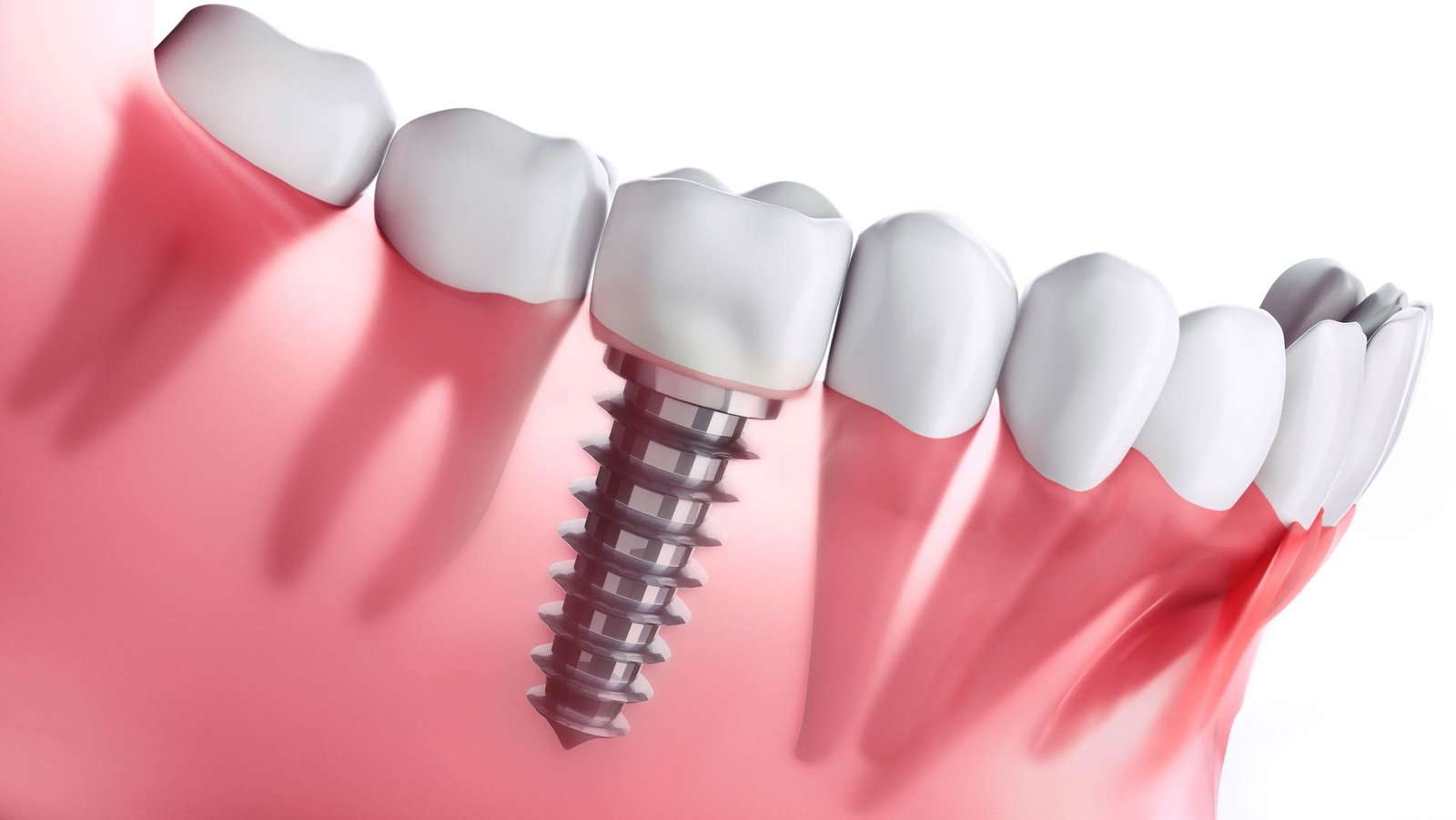
The primary reason dental implants take months to complete is osseointegration, the process by which bone cells grow onto and fuse with the titanium implant surface. This biological integration creates the foundation that allows implants to function like natural tooth roots, supporting significant chewing forces throughout their lifespan.
Osseointegration cannot be rushed. Bone cells grow at their own pace, gradually incorporating the implant into the jawbone structure. This process typically requires three to six months, depending on location, bone quality, and individual healing capacity.
Lower jaw implants usually integrate faster than upper jaw implants because the lower jawbone is denser. The upper jaw, particularly in the back, where sinus cavities reduce bone volume, often requires longer healing periods to achieve adequate integration.
Attempting to load implants before osseointegration completes risks failure. Early loading disrupts the delicate bone formation process, potentially causing the implant to fail and require removal. The waiting period, while frustrating, protects your investment.
The Multi-Phase Treatment Process
Initial Consultation and Planning
The first appointment involves a comprehensive examination, including X-rays or CT scans to evaluate bone volume, assess anatomical structures, and plan implant placement precisely. This planning phase might take one or two appointments and requires no healing time.
Digital imaging allows virtual implant placement before surgery, identifying potential complications and determining whether bone grafting or other preparatory procedures are necessary. Thorough planning prevents surprises during surgery.
Tooth Extraction If Necessary
If the missing tooth site still contains a failed tooth requiring extraction, this step adds healing time. The extraction site must heal before implant placement, typically requiring 6 to 12 weeks, depending on extraction complexity and bone preservation techniques.
Immediate implant placement at the time of extraction is sometimes possible, but it depends on the absence of adequate bone remaining and the achievement of primary stability. Many situations require healing before implant surgery.
Bone Grafting When Needed
Insufficient bone volume requires grafting to create an adequate foundation for implant placement. Grafting materials stimulate new bone formation, but this process takes time, typically three to six months before implants can be placed.
Sinus lift procedures in the upper jaw create space for bone grafting when sinus cavities prevent adequate implant length. These procedures add several months to treatment timelines but enable implant success in locations otherwise unsuitable.
Implant Surgery
The actual implant placement surgery is relatively quick, often completed in under an hour for single implants. The titanium post is precisely positioned in the jawbone, and the surgical site is closed, beginning the osseointegration period.
Initial healing from surgery takes one to two weeks for tissue recovery, but osseointegration continues for months afterward. Patients can typically return to normal activities within days, though the implant remains hidden beneath gum tissue during integration.
Healing Period and Osseointegration
This waiting period of three to six months allows bone cells to grow onto the implant surface, creating the biological bond necessary for long-term stability. Nothing visible happens during this time, but the microscopic bone formation process is critical.
Patients sometimes receive temporary prosthetics during healing, depending on location and cosmetic concerns. Front tooth sites usually require temporary solutions, while back teeth might be left without replacement during healing.
Abutment Placement
Once osseointegration is verified through clinical examination or x-rays, a second minor procedure exposes the implant and attaches an abutment, the connector piece between implant and crown. This procedure requires local anesthesia but is less invasive than initial implant placement.
Gum tissue must heal around the abutment for two to four weeks before final crown fabrication. This healing creates the natural emergence profile that makes the final restoration look like it’s growing from the gums naturally.
Crown Fabrication and Placement
After gum healing, impressions are taken to fabricate the final crown. This process takes one to three weeks, depending on laboratory scheduling and complexity. The completed crown is then attached to the abutment, completing the restoration.
Some patients receive temporary crowns initially, wearing them for several weeks while permanent crowns are fabricated and gum tissue matures. This approach allows functional use while perfecting aesthetics.
Factors That Affect Timeline Duration
Bone Quality and Quantity
Dense, healthy bone supports faster osseointegration than soft or compromised bone. Patients with excellent bone quality might complete healing in three months, while those with poor bone require six months or longer.
Bone volume affects whether grafting is necessary. Adequate native bone allows immediate implant placement, while insufficient bone requires grafting that extends timelines by months.
Patient Health Status
Certain medical conditions slow healing and extend timelines. Uncontrolled diabetes impairs bone formation and increases infection risk. Smoking dramatically reduces success rates and prolongs healing periods.
Medications, including bisphosphonates for osteoporosis, can affect bone healing and require special protocols. Immunosuppressive medications slow healing and might require timeline modifications.
Implant Location
Front teeth in the lower jaw often heal faster than back teeth in the upper jaw due to bone density differences. Esthetic zones might require more conservative loading protocols to ensure gum tissue development.
Multiple adjacent implants take the same time per implant, but the overall treatment span remains similar to single implants since healing occurs simultaneously.
Complexity of Case
Simple single-tooth replacements follow standard timelines while full-arch restorations, immediate loading protocols, and complex grafting extend treatment duration. Each case’s unique aspects affect scheduling.
Same-Day Implants: Reality vs. Marketing
“Teeth in a day” marketing refers to immediate loading protocols where temporary teeth attach to implants on surgery day. While technically accurate, these cases still require months before final restorations are placed.
Immediate loading success depends on achieving high primary stability during surgery, selecting appropriate cases without infection or complications, using temporary restorations that don’t interfere with healing, and patient compliance with dietary restrictions.
Not all patients are candidates for immediate loading. Traditional healing periods remain the gold standard with the highest success rates. Rushing the process increases failure risk.
Why the Wait Is Worth It
Dental implants boast success rates approaching 95% when proper protocols are followed. This remarkable reliability stems partly from respecting biological timelines rather than forcing accelerated schedules.
Failed implants require removal, bone healing, possible additional grafting, and replacement attempts, extending treatment far longer than waiting initially. Patience during the standard timeline prevents costly failures.
Properly integrated implants last for decades, often a lifetime, making the initial time investment trivial compared to long-term benefits. A few months of patience yield decades of function.
Managing Expectations and Temporary Solutions
Elegant Edge Dentistry understands that implant treatment timelines frustrate patients eager to complete their smiles, but biological processes cannot be rushed without compromising outcomes. Temporary solutions during healing, including removable prosthetics, temporary crowns, or simply accepting the gap depending on location, allow normal life to continue while osseointegration proceeds invisibly beneath the gums.
The months between implant placement and final restoration aren’t wasted time but rather essential healing that creates the foundation for implants that function like natural teeth for decades. Understanding this timeline as an investment rather than an inconvenience helps patients appreciate the value of doing implant dentistry correctly rather than quickly, ensuring the replacement teeth they receive will serve them reliably for the rest of their lives.
Disclaimer
The information provided in this article is for general educational and informational purposes only and is not intended as medical or dental advice. Dental implant treatment plans, timelines, and outcomes vary significantly based on individual health conditions, anatomy, and clinical circumstances. Nothing in this article should be used as a substitute for professional diagnosis, treatment, or personalized advice from a licensed dentist, oral surgeon, or other qualified healthcare provider.
Always consult with your dental professional regarding your specific situation before making decisions about dental implant procedures or oral health treatments. While every effort has been made to ensure accuracy, dental techniques, technologies, and best practices may change over time, and individual results cannot be guaranteed.
 John
John